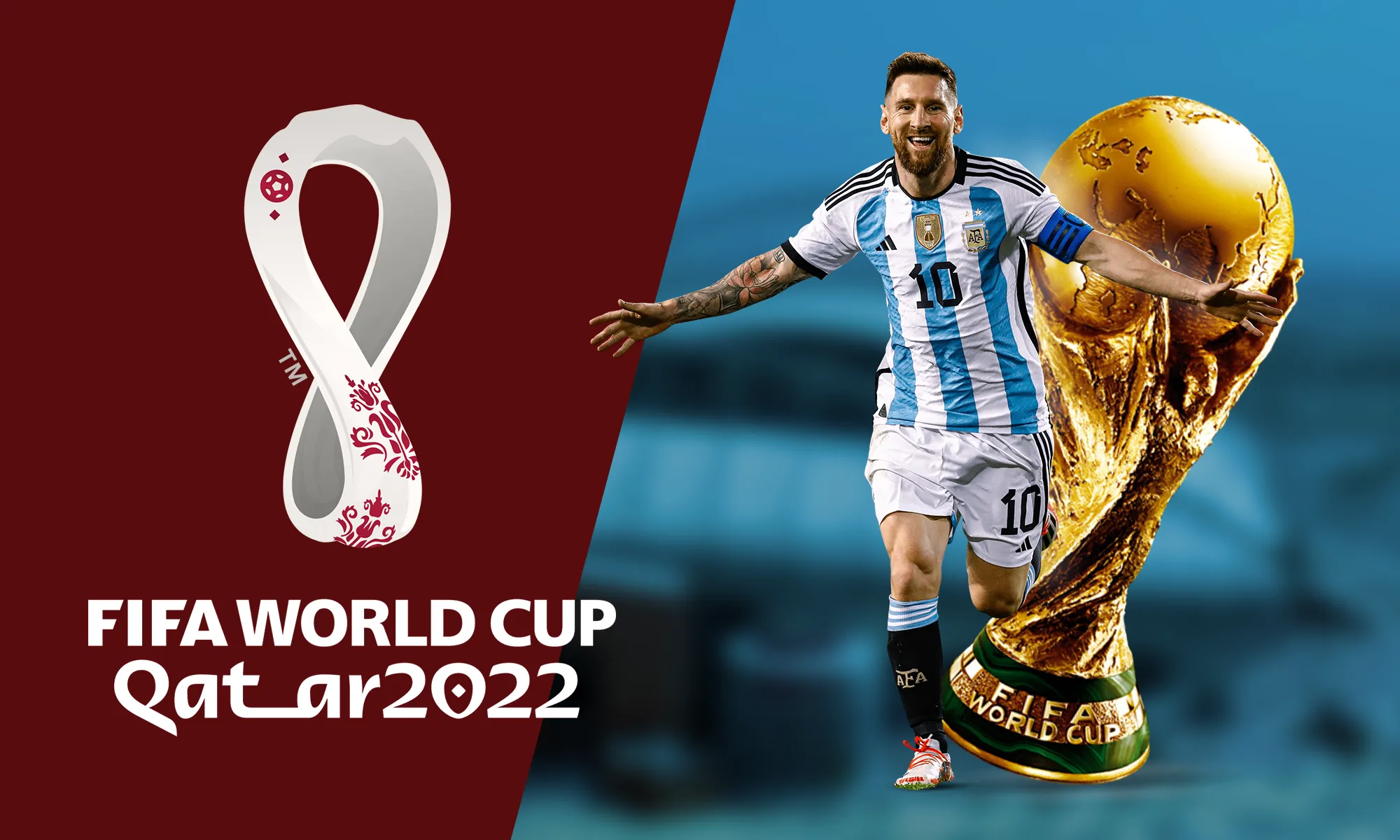
A recent report reveals that the market value of teams participating in the World Cup has reached €16.2 billion, reflecting the strength and competitiveness of the teams in the tournament. This figure includes 48 teams competing in the world's premier sporting event.
This market value serves as an indicator of the development of football in various countries, reflecting the significant investments in players and infrastructure. These numbers also demonstrate the interest of clubs and national federations in developing their talents, contributing to raising the level of competition in international tournaments.
Market Value Distribution Among Teams
The market value is distributed unevenly among the teams, with some major teams like Brazil, Germany, and France leading the list. These teams boast top-tier players, significantly increasing their market value. For instance, the Brazilian national team has several players whose market value exceeds €100 million, making them among the most expensive in the world.
Moreover, local tournaments and major European leagues contribute to raising player values, as stars compete in highly professional environments. Additionally, good performances in international tournaments enhance players' market values.
Background & Context
Historically, football has witnessed remarkable development in recent years, with clubs investing more in players. These investments are not limited to European clubs but have extended to clubs from other continents, contributing to increased competitiveness in global tournaments.
The World Cup also represents an ideal platform for players to showcase their skills, directly impacting their market values. The better a player performs, the greater their chances of moving to larger clubs or securing higher contracts.
Impact & Consequences
The effects of these figures extend beyond football, as they also reflect the economic situation of the participating countries. As the market value of a team increases, so do investments in sports and infrastructure, contributing to the enhancement of the local economy.
Furthermore, success in the World Cup can impact tourism and the national economy in general, as major tournaments attract tourists and investors, contributing to economic growth.
Regional Significance
The Arab region is part of this growing sports landscape, with many Arab countries striving to develop football and invest more in players and infrastructure. For example, countries like Qatar and the UAE have witnessed massive investments in sports, contributing to raising the level of competition.
Additionally, the success of Arab teams in international tournaments reflects the development of football in the region and enhances its status on the global stage. This success can have a positive impact on Arab youth, inspiring them to pursue their dreams in the world of sports.
In conclusion, the market value of teams participating in the World Cup reflects the evolution of football globally and highlights the importance of investing in players and infrastructure. These figures indicate a bright future for the sport, especially in countries striving to develop football and enhance its status on the international stage.