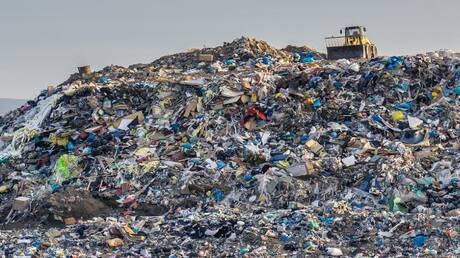
The World Bank's report 'What a Waste 3.0' reveals that global solid waste exceeded 2.6 billion tons in 2022. These figures reflect a growing crisis that requires urgent responses from governments and communities.
Waste quantities are increasing significantly, with projections indicating that this number could rise to 3.4 billion tons by 2050 if effective measures are not taken. This situation presents major challenges in waste management and the shift towards sustainability.
Event Details
The report is based on data from over 200 countries and shows that solid waste includes a variety of materials, including plastics, paper, metals, and organic matter. Plastic waste is considered among the most dangerous types, contributing to ocean pollution and affecting marine life.
The report also indicates that low- and middle-income countries face particular challenges in waste management, lacking the necessary infrastructure to collect and process waste effectively. In contrast, developed countries have more advanced systems but still face sustainability challenges.
Background & Context
The waste crisis is one of the largest environmental challenges facing the world today. In recent years, awareness has increased regarding the impact of waste on the environment and human health, prompting many countries to take action to reduce waste production and promote recycling.
For instance, some European countries have implemented strict policies to reduce plastic use, while others have begun investing more resources in developing new waste management technologies. However, many countries still need to improve their strategies in this area.
Impact & Consequences
The repercussions of the waste crisis extend beyond environmental pollution, affecting public health and the economy. Unmanaged waste can lead to disease outbreaks, groundwater contamination, and increased greenhouse gas emissions.
Moreover, ineffective waste management can result in the loss of valuable resources, as many materials can be recycled instead of disposed of. Therefore, investing in waste management technologies can contribute to creating new job opportunities and enhancing the circular economy.
Regional Significance
Arab countries face significant challenges in waste management, with reports indicating that waste volumes in the region are continuously increasing. Many Arab cities suffer from a lack of the necessary infrastructure for waste collection and processing, leading to the proliferation of waste in streets and public areas.
Some Arab countries are striving to improve waste management by implementing new projects, such as establishing recycling stations and developing awareness programs for citizens about the importance of reducing waste. However, there is still an urgent need for greater cooperation among Arab countries to effectively address this crisis.
In conclusion, waste management should be a global priority, as the challenges it faces require a collective response from governments and communities. Working to improve waste management strategies can contribute to protecting the environment and human health while promoting sustainable development.