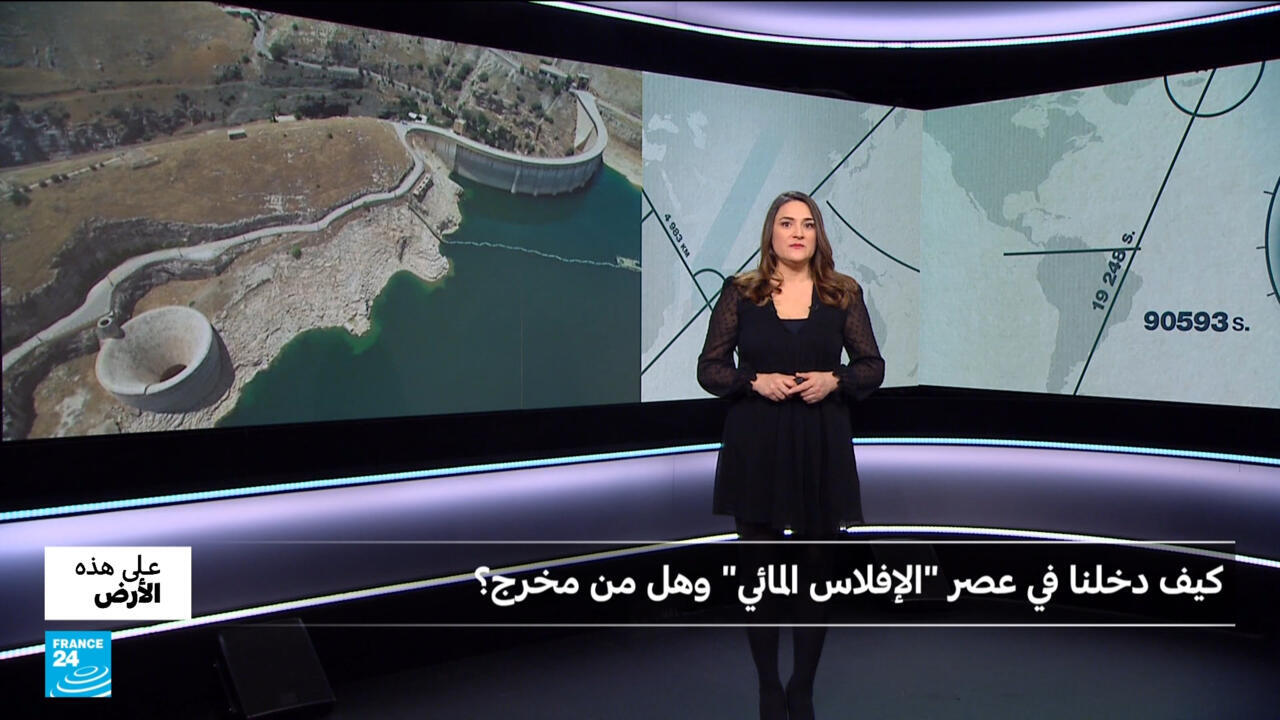
A UN report released in early 2026 indicates that the world has entered a phase of 'water bankruptcy', a condition where increasing demands for water consistently exceed renewable resources. This situation threatens the natural balance of the water cycle on Earth, necessitating urgent action to address this escalating crisis.
The water crisis is one of the greatest challenges facing humanity in the 21st century. With a growing population and climate change, pressures on water resources are expected to increase, exacerbating crises in many areas, especially those suffering from water scarcity.
Event Details
The UN report highlights that many countries are facing severe water shortages, which is reflected in agriculture, industry, and the daily lives of citizens. Under these circumstances, it becomes essential to consider innovative solutions for managing water resources more sustainably.
Proposed solutions include improving irrigation techniques, enhancing water reuse, and developing new water sources such as desalination. There is also an urgent need to raise community awareness about the importance of conserving water and using it wisely.
Background & Context
Historically, water has been a source of life and growth, but with increasing environmental and social challenges, it has become necessary to rethink how these resources are managed. In recent years, we have witnessed numerous water crises in various parts of the world, highlighting the need for effective strategies to tackle these challenges.
The Arab region is considered one of the most water-vulnerable areas, where many countries rely on limited water sources. This situation requires a concerted effort from both local and international communities to ensure the sustainability of water resources.
Impact & Consequences
The implications of 'water bankruptcy' could be severe, potentially leading to worsening economic and social crises. Water shortages may result in declining agricultural production, driving up food prices and increasing rates of poverty and hunger.
Moreover, this crisis could lead to conflicts between countries over water resources, threatening regional and international stability. Therefore, it is crucial for nations to collaborate in managing water equitably and sustainably.
Regional Significance
The Arab region faces significant water challenges, being one of the driest areas in the world. This situation threatens food security and increases rates of migration and displacement due to resource shortages.
This crisis requires a swift response from governments and local communities, with clear strategies for water management, including improving infrastructure and developing new technologies for water conservation.
In conclusion, 'water bankruptcy' represents a major challenge that requires a collective effort at both global and local levels. We must all work towards finding sustainable solutions to ensure a secure water future for generations to come.