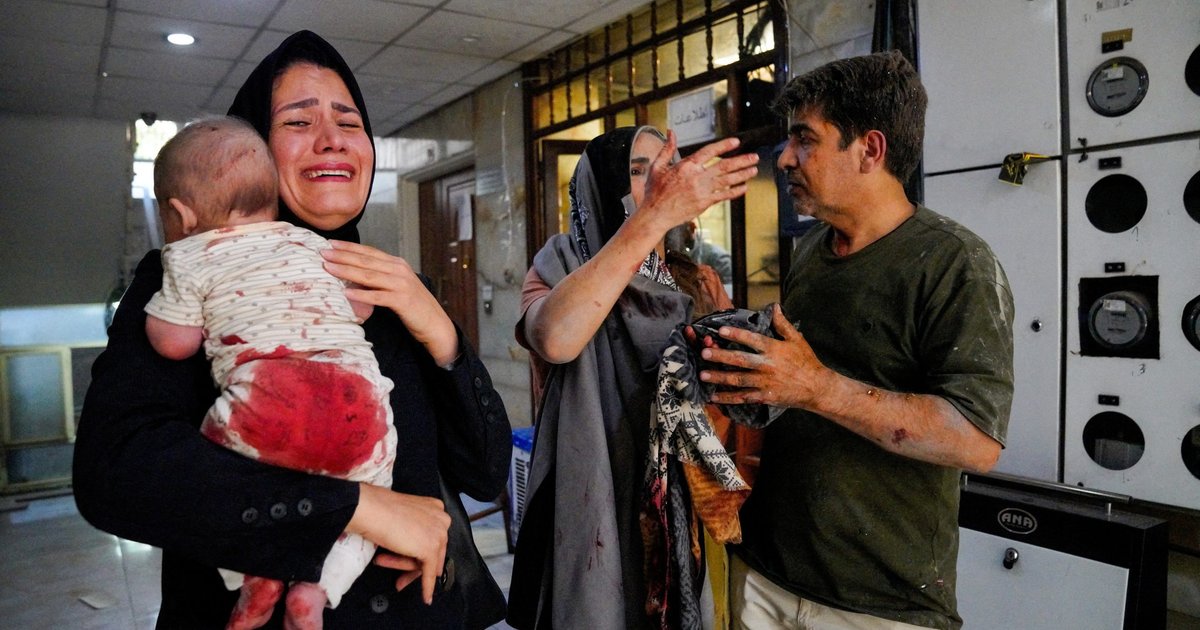
The World Health Organization announced its inability to tolerate attacks hindering its operations in Iran, highlighting damage to its facilities due to ongoing U.S.-Israeli aggression. This statement comes amid rising tensions in the region, raising concerns about the impact on health services provided by the organization.
The organization, which is dedicated to promoting public health and providing humanitarian assistance, confirmed that the continuous attacks obstruct its efforts to provide necessary support to those in need. It expressed concern that these attacks could exacerbate health conditions in the country, increasing the suffering of civilian populations.
Details of the Incident
Iran has recently witnessed an escalation of aerial and ground attacks by U.S. and Israeli forces, leading to the destruction of numerous vital facilities. These attacks have not been limited to military targets but have also affected health facilities, negatively impacting the World Health Organization's ability to operate in the region.
In its statement, the organization confirmed that these attacks constitute a blatant violation of international laws protecting health facilities and called on the international community to take immediate action to stop these aggressions. It added that the continuation of these attacks would lead to a worsening of humanitarian and health crises in Iran, necessitating urgent action from all concerned parties.
Background & Context
Historically, Iran has been subject to regional and international tensions, especially with the United States and its allies. Since the U.S. withdrawal from the nuclear agreement in 2018, pressures on Iran have escalated, leading to an increase in military operations against it. These circumstances have exacerbated the humanitarian situation in the country, where populations suffer from shortages of medicines and basic health services.
The World Health Organization is one of the humanitarian organizations striving to provide support and assistance in such crises. However, the ongoing attacks hinder its efforts and increase the suffering of civilians, placing additional pressure on Iran's health system.
Impact & Consequences
Reports confirm that the continuation of attacks on health facilities in Iran will exacerbate health crises, potentially leading to the spread of diseases and increased mortality rates. Furthermore, these conditions may affect regional stability, as they could lead to a flow of refugees and heightened tensions among neighboring countries.
Moreover, these attacks could impact the international community's reputation regarding human rights, as assaults on health facilities are viewed as one of the worst forms of human rights violations. Therefore, the international community is urged to act to protect civilians and ensure the delivery of humanitarian aid.
Regional Significance
The situation in Iran is part of the larger picture of conflicts in the Arab region. The tensions between Iran and the United States and its allies affect security and stability in countries such as Iraq, Syria, and Lebanon. Additionally, these conditions may lead to the escalation of sectarian and ethnic conflicts in the region.
At the same time, the continuation of these crises reflects the urgent need for greater international cooperation in providing humanitarian assistance, as health crises do not recognize borders. Thus, Arab countries and the international community must work together to ensure the necessary support for those affected.
In conclusion, the current situation in Iran and the surrounding areas requires an urgent response from the international community to protect civilians and ensure the continuation of health services. Attacks on health facilities are not merely assaults on buildings but are violations of fundamental human rights that must be respected.