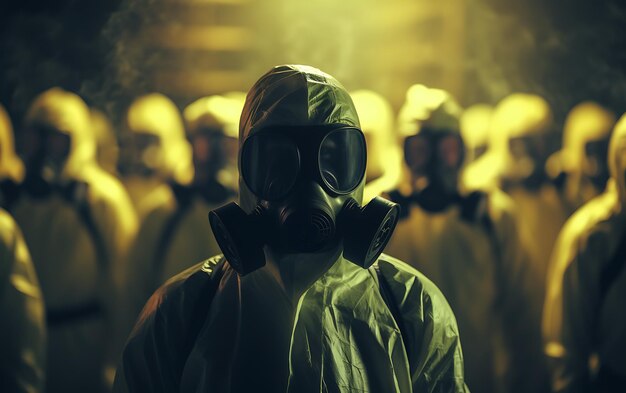
The World Health Organization (WHO) has announced that it has not detected any radiation leaks so far, which is reassuring given the increasing concerns about nuclear safety. This statement comes at a sensitive time as many countries are closely following the developments.
In light of the recurring crises related to nuclear activities, this announcement is a positive step that helps to alleviate public fears. The organization has confirmed that it continues to monitor the situation closely and is conducting necessary tests to ensure the safety of citizens.
Details of the Announcement
These statements come at a time when the region is experiencing heightened tensions regarding nuclear issues, with countries focusing on enhancing safety measures. The WHO has confirmed that it is working in collaboration with local and international authorities to ensure that there are no radiation risks.
The organization added that it is using advanced technologies to monitor radiation levels in the air and water, ensuring accurate information regarding any potential changes.
Background & Context
Historically, many countries have experienced nuclear incidents that led to radiation leaks, adversely affecting public health and the environment. Previous incidents, such as the Chernobyl and Fukushima disasters, serve as reminders of the importance of nuclear safety.
In recent years, concerns regarding nuclear activities in certain countries have increased, prompting the international community to take stricter measures to monitor nuclear activities and ensure citizen safety.
Impact & Consequences
If the WHO continues to effectively monitor the situation, it may help to build trust among countries and citizens regarding nuclear safety. This announcement could also alleviate the political pressures faced by some governments in dealing with nuclear issues.
It is crucial for international organizations to continue cooperating with countries to ensure that no radiation leaks occur, as this can significantly impact public health and the environment.
Regional Significance
For Arab countries, this announcement serves as reassurance amid concerns about nuclear activities in some neighboring countries. This may contribute to enhancing regional cooperation in the fields of nuclear safety and monitoring.
Furthermore, promoting transparency in dealing with nuclear issues can help build trust among Arab nations, leading to greater stability in the region.
In conclusion, the need for continuous monitoring of nuclear activities remains urgent to ensure the safety of citizens and the environment. The World Health Organization remains at the forefront of international efforts to ensure that there are no radiation risks, reflecting its commitment to protecting public health.