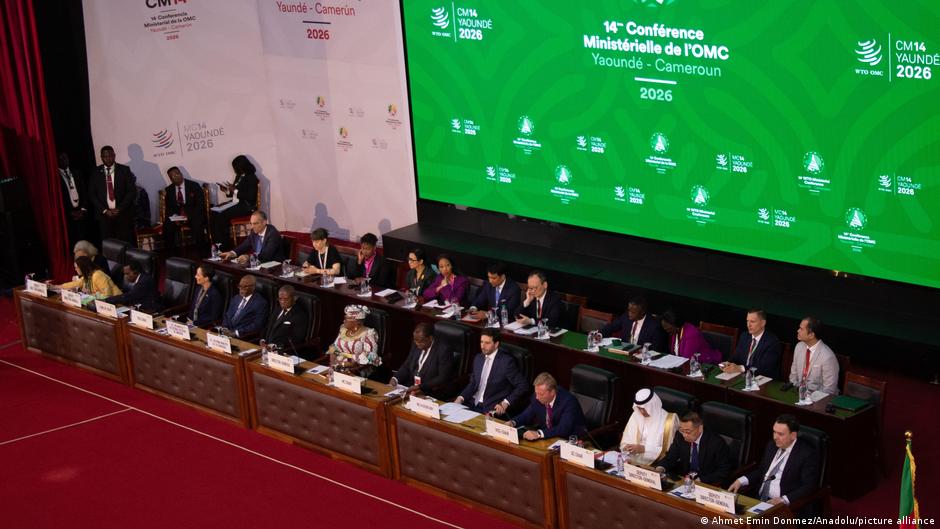
The four-day negotiations in the Cameroonian capital, Yaoundé, among trade representatives from 166 countries ended without reaching key agreements, reflecting a state of ongoing deadlock within the World Trade Organization (WTO). The aim of these negotiations was to reach an agreement on e-commerce, but Brazil objected at the last moment, leading to the failure of the talks.
The Director-General of the WTO, Ngozi Okonjo-Iweala, stated that the United States and Brazil need more time to resolve their differences regarding the agreement aimed at imposing taxes on cross-border orders. Hopes were high for progress, but Brazil opposed the e-commerce trade decision in protest against agricultural issues.
Details of the Negotiation Event
During the negotiations, the United States sought a permanent extension of the moratorium on e-commerce taxes, while Brazil demanded that this agreement last for only four years. An American official described the discussions not as a conflict between the United States and Brazil, but rather as a confrontation between Brazil and Turkey on one side and 164 other countries on the other.
This deadlock in negotiations raises concerns among economists and business leaders, as John Denton, Secretary-General of the International Chamber of Commerce, expressed his worry about the continuation of this state at a time when global economies are under significant pressure.
Background & Context
The WTO was established in 1995 to promote international trade and facilitate negotiations among member countries. However, in recent years, the organization has experienced a state of stagnation due to the inability to reach consensus among members, raising questions about its ability to continue under current circumstances.
The importance of e-commerce in the global economy is increasing, as it has become an essential part of international trade. However, disagreements over how to regulate this trade, including taxation, reflect the challenges countries face in adapting to rapid market changes.
Impact & Consequences
This deadlock in negotiations represents a turning point in how countries deal with e-commerce. With the increasing reliance on digital trade, the failure to reach clear agreements could exacerbate trade tensions between nations, negatively impacting global economic growth.
Furthermore, the continuation of this situation may push countries to take unilateral actions, complicating trade relations and escalating trade disputes. Under these circumstances, WTO member countries must reevaluate their strategies to address these issues.
Regional Significance
Arab countries are also facing similar challenges in the field of e-commerce, as the importance of this sector grows in their economies. With the increasing reliance on digital trade, the lack of a clear regulatory framework could worsen economic challenges.
Arab countries need to enhance cooperation among themselves to develop effective e-commerce strategies, including setting clear rules for taxation and fees. Progress in this area could contribute to boosting economic growth in the region.
The deadlock witnessed in WTO negotiations regarding e-commerce reflects the significant challenges facing the global trading system. Member countries must work together to find effective solutions that enhance the stability of international trade and contribute to economic growth.