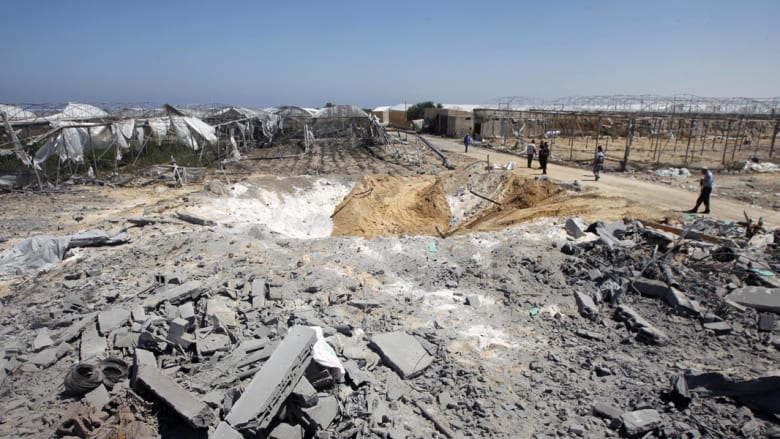
Maximo Torero, the chief economist at the Food and Agriculture Organization (FAO), has warned that the ongoing conflict in the Middle East will exacerbate the food security crisis in Gaza. During a remote press conference from the organization's headquarters in Rome, Torero emphasized that the conflict has caused rapid and unprecedented disruptions in global energy flows, directly affecting food security in the region.
Torero explained that the current situation in Gaza, which is already suffering from a severe shortage of food resources, will worsen if hostilities continue. He pointed out that the impact of the conflict is not limited to Gaza alone but extends to other countries in the region, threatening global food security.
Details of the Event
During the conference, Torero addressed several key points regarding the impact of the conflict on food security. He clarified that the conflict has led to rising food prices, increasing the suffering of populations reliant on humanitarian aid. He also noted that energy flows, which are essential for food production, have been significantly affected, making it more difficult to access basic resources.
Furthermore, Torero stressed that the situation in Gaza requires an urgent response from the international community, as the continuation of the conflict could worsen humanitarian conditions. He indicated an urgent need for food and medical assistance for the affected populations.
Background & Context
Historically, Gaza has suffered from recurring humanitarian crises due to ongoing conflicts and the blockade imposed on it. The recent conflict has exacerbated conditions, with reports indicating that over 2 million people in Gaza are in urgent need of food assistance. Additionally, the economic situation in Gaza has significantly deteriorated, with residents facing unemployment and poverty.
The FAO is a key player in providing food assistance in the region, working to deliver the necessary support to affected populations. However, the continuation of the conflict hampers the organization's efforts and complicates humanitarian conditions.
Impact & Consequences
Estimates suggest that the conflict could lead to a substantial increase in food prices, affecting families' ability to access food. Additionally, rising energy prices will impact production costs, increasing pressure on farmers and suppliers.
Moreover, the continuation of the conflict could lead to the spread of diseases and malnutrition, posing a significant threat to public health in the region. Torero warned that conditions could deteriorate further if urgent actions are not taken by the international community.
Regional Significance
The conflict in the Middle East poses a major challenge to food security in Arab countries, as many nations rely on food imports. An escalation of the conflict could increase pressures on regional markets, affecting price stability and food availability.
Furthermore, the situation in Gaza may cast a shadow over relations between Arab countries, as calls for humanitarian and political support for the affected populations grow. This conflict presents an opportunity to renew regional and international efforts to address humanitarian crises in the area.
In conclusion, the situation in Gaza requires an urgent response from the international community, as the continuation of the conflict will exacerbate humanitarian and food security conditions. Arab nations and the international community must work together to provide the necessary support to affected populations.