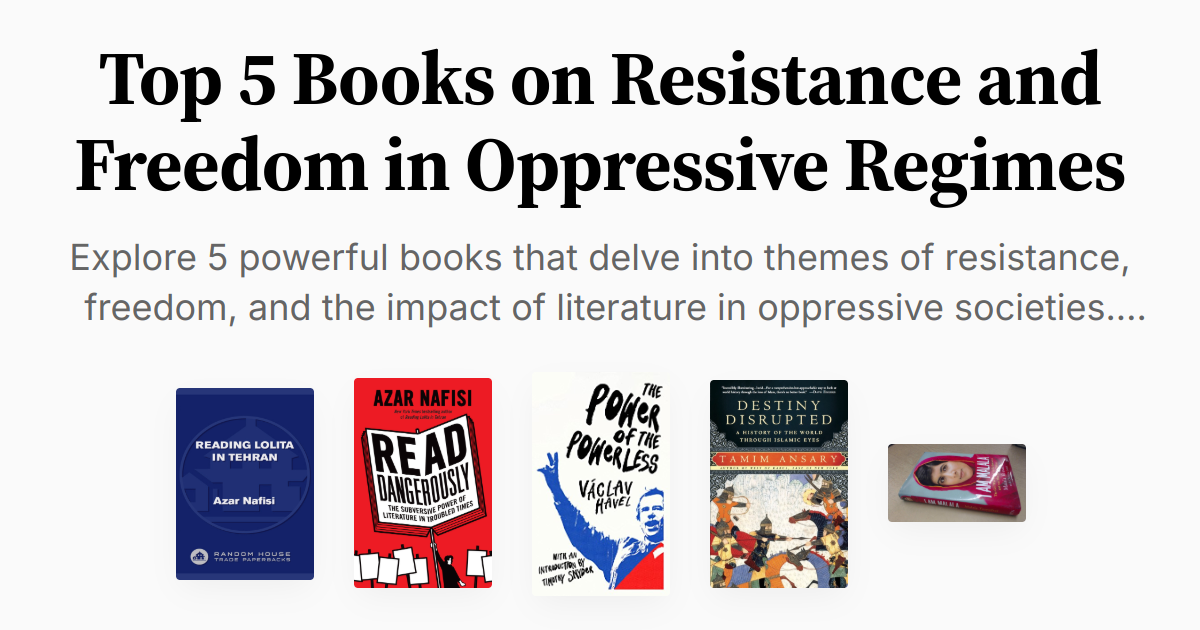
In countries dominated by a culture of fear, writing transcends mere cultural expression, becoming a test of conscience and a confrontation with authority. Writers live under intense pressure, facing strict restrictions aimed at confiscating the true meanings of words. In this environment, writing becomes an act of resistance that requires courage and creativity in the face of challenges.
This phenomenon is evident in many countries suffering from repression of freedoms, where expressing an opinion is considered a crime that may lead to severe consequences. Writers are forced to think twice before writing any text, fearing the harsh reactions they might face from authorities. This climate of fear stifles creativity and limits writers' ability to freely express their thoughts and feelings.
The Role of Writers in Oppressive Environments
In these circumstances, the role of writers emerges as protectors of meaning and freedom. They face multiple challenges, from censorship to direct threats, making writing not just an art but a human necessity. Writers who choose to continue writing in these harsh conditions prove that creativity can thrive even in the darkest times.
Writing in these oppressive environments demands a high level of social and political awareness, as writers seek to shed light on the issues facing their communities. They use their words as tools for change, attempting to make a positive impact despite the surrounding dangers.
Historical Context of Repression
Historically, many Arab countries have witnessed periods of political repression, where writing was considered a threat to authority. In these contexts, censorship has been used as a means to control ideas and information. However, history proves that writing has always been a means of expressing resistance and change.
Over the decades, many Arab writers have faced significant challenges, ranging from arrests to death threats. Nevertheless, many of them continued to write, emphasizing the importance of freedom of expression as a fundamental human right.
Consequences and Societal Impact
Writing under repression affects society as a whole, contributing to the formation of public awareness and changing concepts. When writers write about injustice and suffering, they open discussions on important issues that may be overlooked in public discourse. This type of writing can lead to social movements and motivate people to demand their rights.
Moreover, writing under repression fosters a spirit of solidarity among writers and communities. When writers unite in the face of oppression, they send a powerful message that freedom cannot be confiscated, and that creativity will continue despite all challenges.
Significance for the Arab Region
Writing under repression is a common phenomenon in many Arab countries, where individual freedoms are under threat. However, many writers continue to fight for freedom of expression, contributing to shaping a more open and tolerant future. The impact of this writing extends beyond borders, inspiring writers in other countries to confront their own oppression.
In conclusion, writing in times of fear and lies remains a courageous act that requires creativity and awareness. Writers who choose to continue expressing their opinions under these harsh conditions prove that words can be a powerful weapon against injustice.