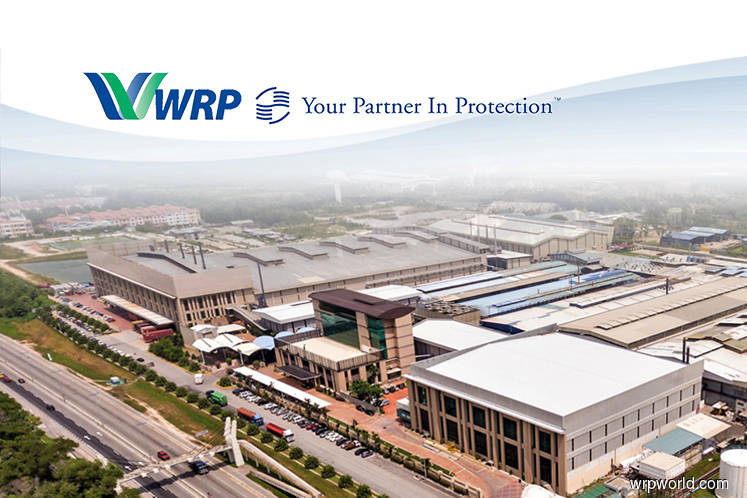
WRP Asia Pacific, a leading Malaysian rubber glove manufacturer, has announced the commencement of its business closure this month. This decision is attributed to significant disruptions in global energy and petrochemical supply chains, stemming from the ongoing conflict in the Middle East.
In an official statement, the company confirmed that the regional conflict has directly affected its ability to procure the necessary raw materials for production, exacerbating its financial situation. This decision follows a challenging period for the company during the COVID-19 pandemic, where it experienced a surge in demand for its products.
Details of the Closure
Founded in 1997, WRP has achieved remarkable growth in recent years. However, the current events in the Middle East have negatively impacted its operations, prompting the company to reduce its workforce and cut production to cope with the prevailing conditions.
Concerns are mounting over the potential loss of numerous jobs in Malaysia, as a significant number of workers rely on this industry. The halt of WRP's operations could also adversely affect the global glove market, especially given the increasing demand for personal protective equipment.
Background & Context
The Middle East is experiencing ongoing tensions due to political and economic conflicts, which are affecting regional and global stability. These conflicts have led to disruptions in supply chains, impacting various industries, including glove manufacturing. Historically, Malaysia has been one of the largest exporters of rubber gloves worldwide.
The geopolitical landscape has created an environment of uncertainty, which poses challenges for manufacturers like WRP. The company's reliance on stable supply chains has been severely tested, leading to this drastic decision.
Impact & Consequences
The closure of WRP serves as an indicator of the challenges faced by companies amid global crises. This decision may increase pressure on other companies within the same sector, potentially resulting in reduced production and rising prices. Additionally, the loss of jobs in this industry could elevate unemployment rates in the country, adversely affecting the local economy.
As the situation unfolds, stakeholders are calling for government intervention to support affected industries and workers. The ramifications of WRP's closure could resonate beyond Malaysia, impacting global supply dynamics.
Regional Significance
The situation highlights the broader implications of regional conflicts on the global economy. The ripple effects of WRP's closure could lead to increased prices for rubber gloves and other protective equipment, which are critical in the ongoing fight against health crises.
In conclusion, the closure of WRP not only reflects the immediate impact of geopolitical tensions but also underscores the interconnectedness of global supply chains and the importance of stability in the region.