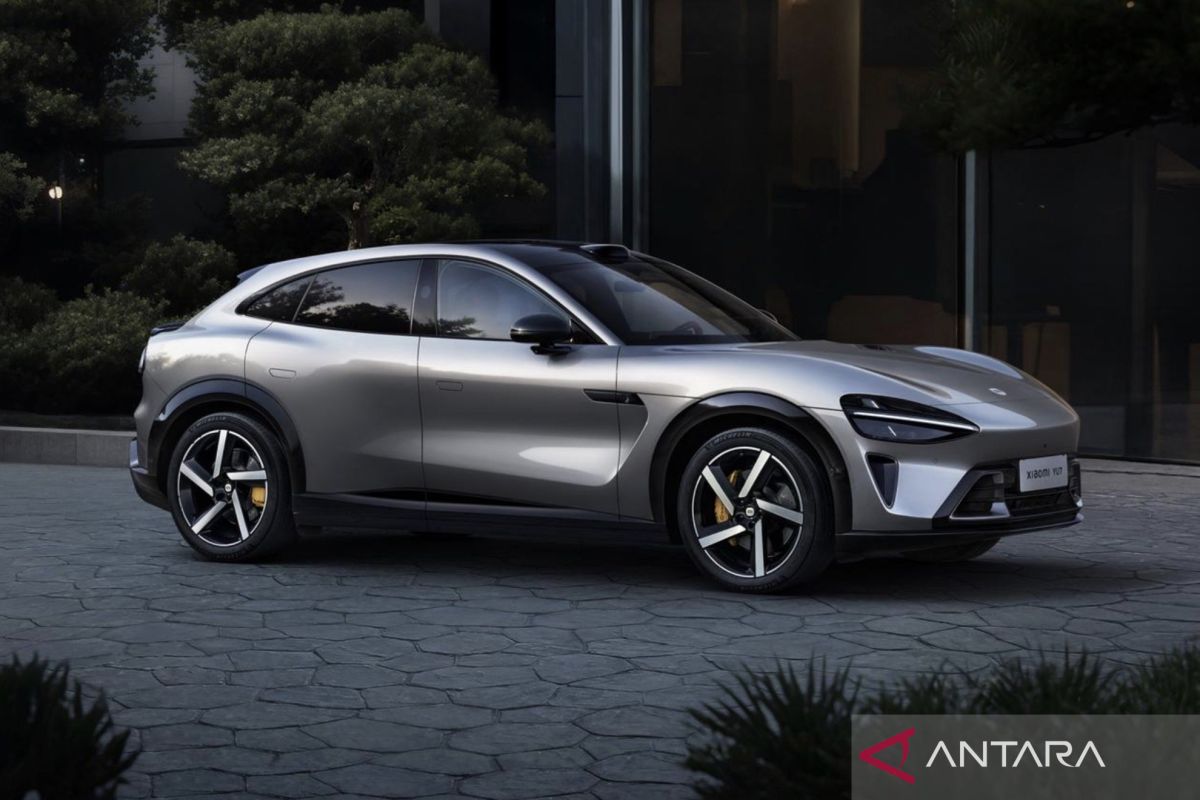
The Chinese technology company Xiaomi has announced the opening of a new research and development (R&D) center in the city of Munich, Germany, as part of its strategy to enhance its presence in the global electric vehicle market. This announcement aligns with the company's goal to enter the electric vehicle sector by 2027, as it seeks to expand its business beyond smartphones.
The new center, which will employ approximately 50 staff members, is led by Rudolf Dietrich, who was previously involved in the BMW M4 GT3 racing car project. The team also includes Klaus-Dieter Groohl, who has extensive experience in car design, having worked on several models from BMW, including the 3 Series, 4 Series, and X5.
Event Details
Through this center, Xiaomi aims to focus on developing high-performance vehicles, luxurious designs, and advanced technologies in the automotive world. The YU7 GT, the high-performance version of the YU7, is expected to be the first model intensively developed by the European team, with its launch anticipated at the end of May.
Although Xiaomi has not yet revealed the full specifications of the YU7 GT, the company hopes to enter the high-performance luxury electric vehicle market, reflecting its ambitious goals in this sector.
Background & Context
Xiaomi is considered one of the leading technology companies and has achieved significant success in the smartphone market. With the growing demand for electric vehicles in recent years, many tech companies, including Xiaomi, have begun exploring new opportunities in this market. This trend indicates a significant shift in the automotive industry, where traditional companies are competing with modern tech firms.
In recent years, Europe has seen a notable increase in demand for electric vehicles, making it an attractive market for investors and companies. Xiaomi aims to capitalize on this trend by developing vehicles that meet the needs of European consumers.
Impact & Consequences
The opening of Xiaomi's center in Munich could have a significant impact on the automotive industry in the region. The center is expected to contribute to innovation in electric vehicle design, potentially leading to improved performance and efficiency. This may also increase competition in the market, benefiting consumers by providing better options and more competitive prices.
Furthermore, this center may attract more investments to the region, contributing to the creation of new jobs and boosting the local economy. It could also have a positive impact on local companies involved in technology and innovation.
Regional Significance
The electric vehicle industry is an area of interest for many Arab countries, as some are working to develop their infrastructure to support this type of vehicle. Xiaomi's experience in Munich could serve as a model for Arab countries looking to enhance their electric vehicle sector.
Alongside the global shift towards clean energy, these developments could foster cooperation between Arab companies and their global counterparts, opening new avenues for investment and development in this field.
The opening of Xiaomi's center in Munich represents a strategic step towards strengthening its presence in the electric vehicle market, reflecting the company's significant ambitions in this growing sector. With the increasing demand for electric vehicles, this move could mark the beginning of a new era in the global automotive industry.