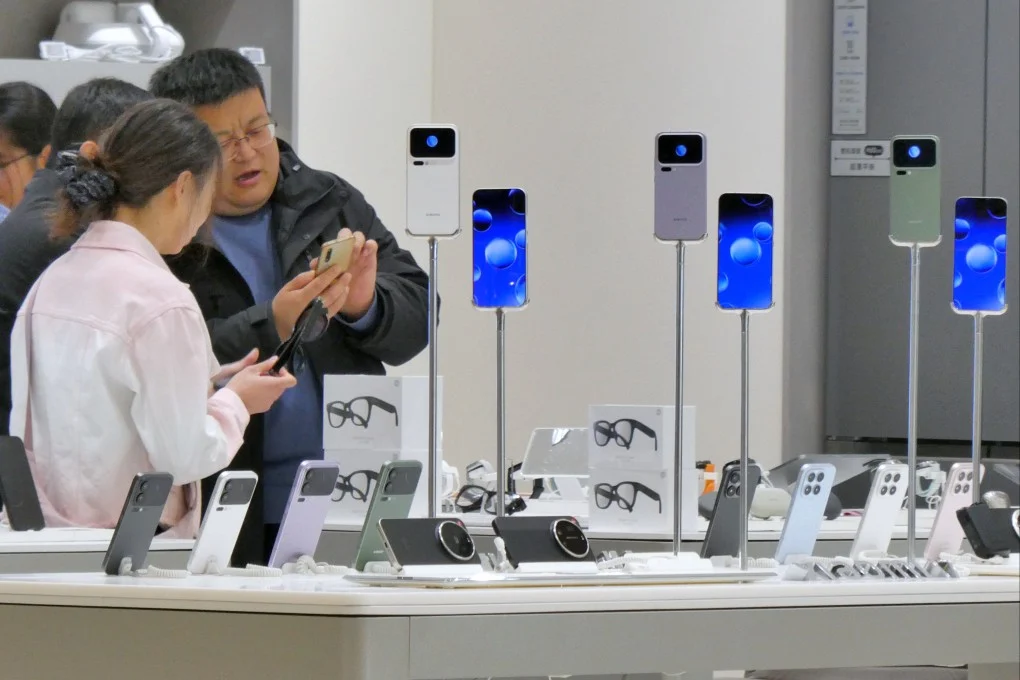
Xiaomi, the Chinese electronics company, has announced a price increase of approximately 200 yuan (equivalent to $29) for three of its smartphone models. This move aligns with a wave of price hikes seen among mobile phone companies in China. The new prices are set to take effect starting next Saturday, highlighting the impact of rising memory chip costs on the global consumer electronics industry.
This increase follows similar actions by other local companies such as Oppo, Vivo, and Honor, which raised their phone prices last March. This trend indicates that the phenomenon is not limited to Xiaomi but affects the entire sector. The company attributed the price hike to the "sharp and ongoing rise in the costs of essential materials" affecting the supply chain.
Details of the Announcement
This step by Xiaomi is part of a broader strategy adopted by smartphone manufacturers in China, as they face increasing pressures due to rising raw material prices, particularly memory chips. In recent months, global markets have experienced a shortage of these chips, leading to higher production costs.
Reports suggest that these price increases are likely to continue in the near future, as demand for smartphones remains strong, allowing companies to pass these costs onto consumers. Experts indicate that this trend may affect consumer choices, especially amid intense competition among companies.
Background & Context
Historically, the smartphone industry in China has undergone significant changes, with companies constantly striving to offer the latest technologies at competitive prices. However, the current memory chip crisis presents a new challenge for these companies, as these chips are a crucial component in smartphone manufacturing.
In recent years, Chinese companies have increased their investments in research and development to reduce reliance on external suppliers, but the current crisis shows that these efforts still require more time to achieve full independence. The rising prices are a direct result of these challenges, which may impact sales for companies in both local and international markets.
Impact & Consequences
The increase in smartphone prices is expected to affect consumer behavior, with some individuals potentially hesitating to purchase new phones or seeking cheaper alternatives. Additionally, this increase may lead to a decline in sales for certain companies, particularly those that rely on offering affordable phones.
Moreover, this price hike could exacerbate competition among companies, as other firms may need to adjust their pricing strategies to remain competitive in the market. Under these circumstances, we may witness changes in consumer loyalty towards different brands.
Regional Significance
Smartphones are an essential part of life for many people in the Arab region, as individuals rely on them for communication, work, and entertainment. Therefore, any price increase may affect the purchasing power of Arab consumers, especially given the current economic conditions.
Arab companies that import smartphones may also face challenges in pricing their products, which could impact their sales. Thus, it is crucial for Arab markets to closely monitor these developments, as any changes in prices may affect marketing and sales strategies.