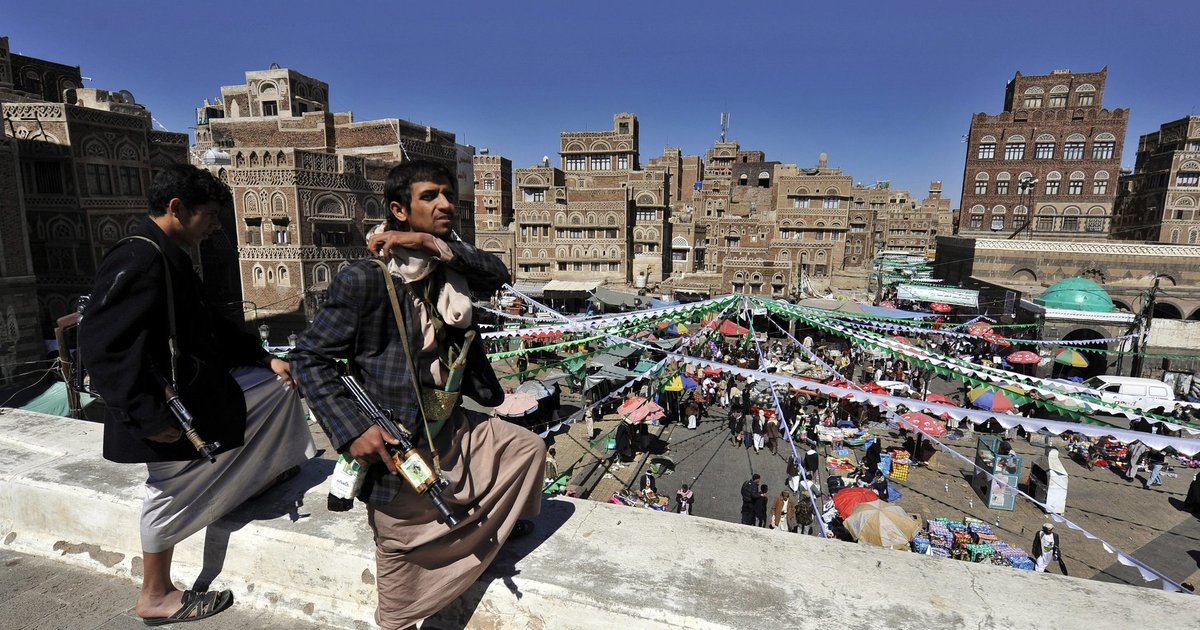
Yemen is seeking initiatives from international organizations, such as the World Bank and the International Monetary Fund, to mitigate the effects of the ongoing war on energy prices. These initiatives come at a time when Yemen is suffering from a severe economic crisis, exacerbated by years of ongoing conflict.
The pressures on the Yemeni government are increasing as energy prices have risen significantly, negatively impacting the lives of citizens. Under these circumstances, international support is vital to help Yemen overcome this crisis.
Details of the Event
Reports indicate that the World Bank is considering providing a package of financial and technical assistance to Yemen, aimed at supporting the energy sector and improving the living conditions of citizens. This comes at a time when the country is facing significant challenges, including deteriorating infrastructure and fuel shortages.
The International Monetary Fund may also contribute by providing technical advice to support economic policies, which could help the Yemeni government achieve relative stability in the local market.
Background & Context
Since the outbreak of conflict in 2015, Yemen has witnessed a sharp decline in economic and social conditions. The war has led to the destruction of many vital facilities, including power stations, increasing reliance on imports.
Historically, Yemen relied on oil exports as a primary source of revenue, but the conflict has significantly reduced production, affecting the government's ability to provide essential services.
Impact & Consequences
If international initiatives are implemented, they could help alleviate the economic crises Yemen is experiencing. Energy support could lead to an improvement in living standards and enhance the government's ability to provide essential services.
However, the biggest challenge remains how to effectively implement these initiatives and ensure that support reaches the most affected groups by the conflict.
Regional Significance
The crisis in Yemen is part of the larger picture of crises in the Arab region, where economic and social challenges are increasing in many countries. Supporting Yemen could serve as a model for how to address crises in conflict-affected nations.
In conclusion, hope remains that international initiatives will contribute to improving conditions in Yemen and alleviating the suffering of its citizens.