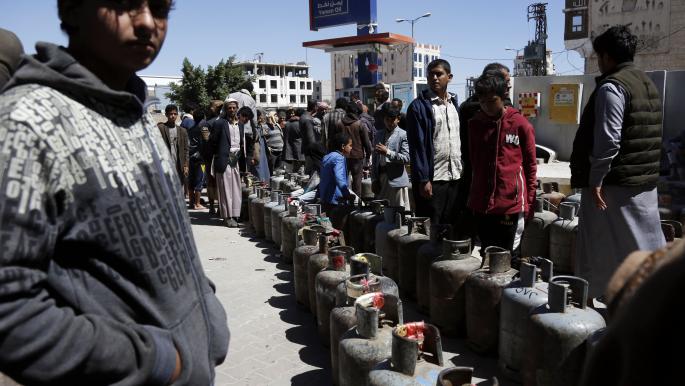
The Yemeni government in Aden is ramping up regulatory campaigns on gas filling stations and commercial markets to prevent monopolies and ensure price stability. This initiative comes in response to rising gas prices and increasing complaints from citizens about supply shortages, prompting relevant authorities to take urgent measures to protect consumers.
The field campaigns implemented by the Yemeni government include inspecting gas filling stations, monitoring prices in local markets, and imposing penalties on violators. The Ministry of Oil and Minerals has confirmed that these measures are part of a comprehensive plan to combat monopolies and ensure fair distribution of gas among citizens.
Details of the Situation
Recently, Yemeni markets have witnessed a noticeable increase in gas prices, causing discontent among citizens who are suffering from difficult economic conditions. Relevant authorities have documented cases of monopolies by some traders, exacerbating the crisis. In this context, the government has affirmed that it will not tolerate any illegal practices aimed at exploiting citizens.
Government officials have indicated that the campaigns will cover all governorates, focusing on the areas most affected by gas shortages. Field teams have been formed, including representatives from the Ministry of Oil and security agencies, to ensure the effective implementation of these campaigns.
Background & Context
The gas crisis in Yemen is one of the multiple crises the country has faced since the outbreak of armed conflict in 2015. The war has led to the destruction of infrastructure and increased poverty and unemployment, making many citizens rely on gas as a primary means for cooking and heating.
Historically, gas prices in Yemen were relatively stable, but with the escalation of conflict and the deterioration of economic conditions, prices have become susceptible to fluctuations. Humanitarian and economic crises have contributed to the exacerbation of the monopoly problem, as some traders seek to make illicit profits at the expense of citizens.
Impact & Consequences
These government measures come at a sensitive time, as citizens are facing increasing economic pressures. If the government succeeds in stabilizing prices and preventing monopolies, this step could contribute to improving citizens' living conditions and enhancing trust in government institutions.
However, challenges remain, as continuous efforts are required to ensure price stability and market monitoring. The success of these campaigns depends on cooperation between the government and citizens, as everyone must report any illegal practices.
Regional Significance
The gas crisis in Yemen exemplifies the economic challenges faced by many Arab countries, where some nations suffer from resource shortages and rising prices due to conflicts or economic crises. Addressing these issues requires comprehensive strategies and regional cooperation to ensure market stability and achieve sustainable development.
In conclusion, the efforts made by the Yemeni government to combat gas monopolies represent an important step towards improving the living conditions of citizens. As crises continue, hope remains pinned on the government's ability to implement effective plans that guarantee consumer rights and contribute to market stability.