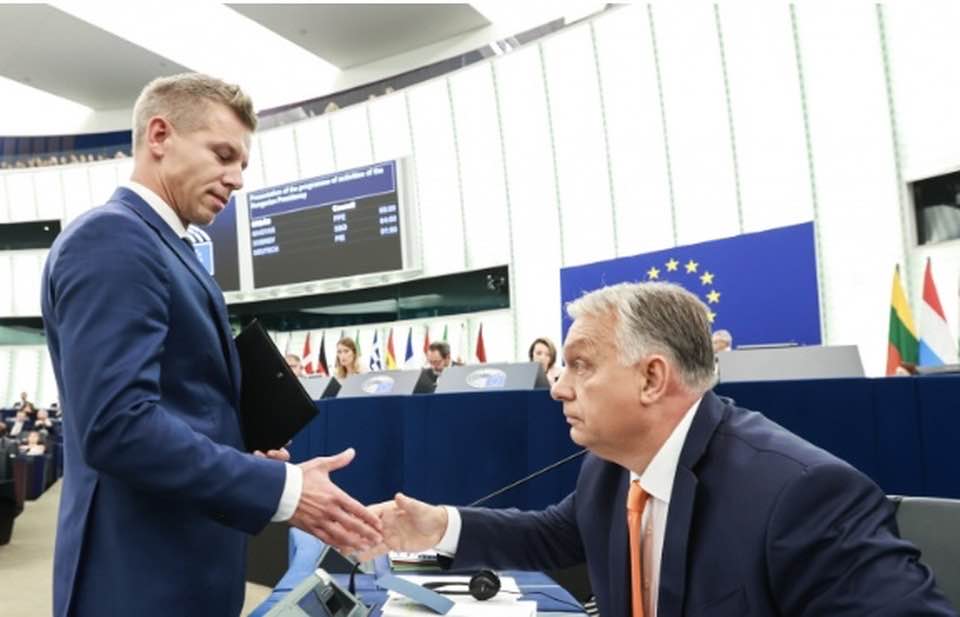
A youth movement in Hungary aims to reshape the political landscape, challenging Prime Minister Viktor Orban's 16-year rule. This initiative comes at a critical time ahead of elections, as young people demand radical changes in policies. With increasing political awareness among the youth, this movement has begun to draw attention to issues such as human rights, education, and the environment.
Pressure is mounting on Orban, who has faced widespread criticism for his controversial policies, which are seen as restricting freedoms. The youth, representing a significant portion of voters, have started organizing events and protests aimed at expressing their desire for change. Polls have shown that a large percentage of young people are dissatisfied with the current situation, intensifying political tensions.
Details of the Movement
All eyes are on the upcoming elections in Hungary, where the youth movement is expected to shift the balance of power. Polls indicate that many young voters intend to support candidates who reflect their aspirations. There are also increasing calls to boycott the elections if their demands are not met.
The youth movement's demands include improving education, increasing job opportunities, and enhancing minority rights. Many activists have pointed out that current policies no longer meet the needs of young people, prompting them to take effective steps towards change.
Background & Context
Viktor Orban has been in power since 2010, implementing controversial policies, including restricting press freedom and diminishing the role of independent institutions. This has raised widespread concern among citizens, especially among the youth who feel that their future is at risk.
Historically, Hungary has undergone significant political transformations since the fall of the communist regime in 1989. However, Orban's rule is considered the most enduring in the country's modern history, raising questions about the future of democracy in Hungary.
Impact & Consequences
If the youth movement succeeds in achieving its goals, it could lead to radical changes in Hungarian policies. Relations with the European Union may be affected, as Orban has faced criticism for alleged human rights violations. Additionally, the success of the youth could inspire similar movements in other countries in the region.
This election represents a real opportunity for young people to voice their opinions, potentially leading to the formation of a new government that reflects their aspirations. If they succeed, we may witness a shift in Hungary's domestic and foreign policies.
Regional Significance
The experience of Hungary serves as a model for the Arab region, where many countries face similar issues related to freedom and democracy. The youth movement in Hungary may inspire Arab youth to take a more active role in politics and decision-making.
Amid the challenges facing the region, such experiences could motivate changes in the current situations in Arab countries, as young people strive for change through active participation.