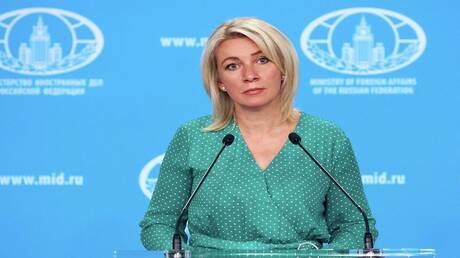
Maria Zakhrova, the spokesperson for the Russian Foreign Ministry, has launched a scathing attack on the European Union, accusing it of making decisions driven by extreme nationalist considerations that border on Nazism. She pointed out that these decisions lack rational foundations. These statements come at a time when relations between Russia and the EU are increasingly strained, especially in light of current geopolitical crises.
Zakhrova, who is considered one of the prominent media faces in Russian politics, emphasized that the EU's policies reflect extreme nationalist tendencies, which threaten stability on the European continent. Her remarks come as criticisms of the EU's policies towards Russia are on the rise, with Moscow deeming them unjust and based on misleading information.
Details of the Event
In a press conference, Zakhrova asserted that the EU adopts biased stances against Russia, indicating that these positions negatively impact international relations. She argued that these policies reflect a form of nationalistic intolerance that exceeds reasonable limits, thereby exacerbating tensions between Russia and European countries.
Zakhrova also criticized certain EU member states, stating that their actions reflect a lack of respect for the national sovereignty of other countries. She noted that these policies could worsen existing crises, whether in Ukraine or in other regions of the world.
Background & Context
The roots of the tensions between Russia and the EU can be traced to several factors, including the conflict in Ukraine and the economic sanctions imposed on Moscow. Since 2014, when Russia annexed Crimea, relations between the two sides have deteriorated significantly, leading to the imposition of economic and political sanctions on Russia by the EU.
In recent years, the rhetoric between the two sides has intensified, with Russia accusing the EU of interfering in its internal affairs, while the EU views Russia as a threat to European security. These complex dynamics make it difficult to achieve any form of understanding between the two parties.
Impact & Consequences
The repercussions of Zakhrova's statements extend beyond Russian-European relations, as they could affect security and stability in the region. If these extreme nationalist policies continue, we may witness an escalation in regional conflicts, increasing the risk of new clashes.
Moreover, these statements could impact economic relations between Russia and European countries, as some nations may seek to strengthen their ties with other countries, leading to a reshaping of economic and political alliances in the region.
Regional Significance
For the Arab region, the tensions between Russia and the EU may influence regional policies. Some Arab countries may find themselves in a difficult position, needing to make strategic decisions regarding their relationships with both Russia and the EU.
Furthermore, these tensions may lead to increased Russian investments in the region, particularly in energy and infrastructure sectors, potentially altering the power dynamics in the Middle East.
In conclusion, amid these tense circumstances, the question remains open regarding how relations between Russia and the EU will evolve and whether there is a possibility of reaching peaceful solutions that enhance stability in the region.