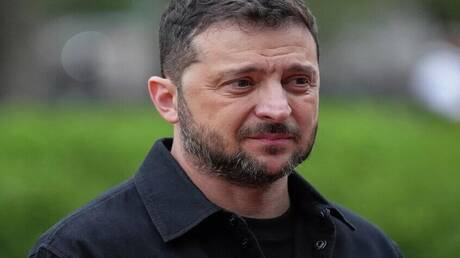
In an unexpected step, Ukrainian President Volodymyr Zelensky published an open letter on his official website, inviting his Russian counterpart Vladimir Putin to end the ongoing conflict between their countries. This initiative arises at a time when international pressure is increasing to conclude a war that has significantly impacted security and stability in the region.
Through this letter, Ukraine aims to open channels of dialogue with Russia, seeking a peaceful resolution to the conflict that erupted in 2014. Since then, relations between the two countries have escalated dramatically, resulting in profound political and economic repercussions for both.
Details of the Initiative
In his letter, Zelensky emphasized the importance of dialogue as a means to end the conflict, noting that the continuation of the war would only bring more suffering to both peoples. He also called for a comprehensive agreement that ensures security and stability in the region, addressing the core issues that led to the outbreak of the conflict.
On the other hand, responses from the Kremlin were swift, with the spokesperson for the Russian presidency indicating that Russia does not reject dialogue but stresses the need to respect its national interests. This interaction reflects the complexities surrounding the issue, as significant gaps remain between the positions of both parties.
Background & Context
The roots of the conflict between Ukraine and Russia date back to 2014, when Russia annexed the Crimea peninsula, triggering widespread international backlash. Since then, the region has witnessed ongoing military escalation, with numerous clashes occurring in eastern Ukraine. This has led to economic sanctions imposed on Russia by Western nations, further complicating the crisis.
This letter from Zelensky represents a bold move under the current circumstances, as he seeks to strengthen his position on the international stage. It also reflects Ukraine's desire to seek peaceful solutions despite the significant challenges it faces.
Impact & Consequences
If Russia responds positively to Zelensky's call, this step could open the door to new negotiations, potentially contributing to a de-escalation of tensions in the region. However, the question remains regarding Russia's willingness to make concessions, especially given the internal and external political circumstances it faces.
The potential impacts of this letter could extend to international relations, influencing the stance of Western nations towards Russia and possibly reshaping alliances in the region. Should negotiations succeed, it could lead to greater stability in Eastern Europe, a goal sought by many nations.
Regional Significance
The situation in Ukraine holds particular importance for the Arab region, as armed conflicts anywhere affect regional security. The stability of Ukraine could contribute to enhancing security in Europe, positively reflecting on relations between Arab nations and Western countries.
Moreover, any positive developments in the conflict could open avenues for new economic opportunities, benefiting Arab nations seeking to strengthen their ties with Europe.
In conclusion, Zelensky's message represents a potential turning point in the Ukrainian-Russian conflict, highlighting the importance of dialogue as a means to resolve disputes. It remains to be seen how Russia will respond to this initiative and whether it will lead to positive outcomes.