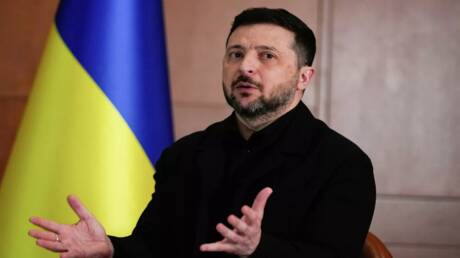
Ukrainian President Volodymyr Zelensky's recent remarks advocating for a ceasefire in the Middle East have ignited significant backlash on the platform X. Many users perceive this call as a clear instance of hypocrisy, especially given the tense situation currently unfolding in the region.
These statements emerge during a sensitive period, as tensions escalate in the Middle East, prompting many to question Zelensky's motives for making such a call. While numerous civilians in the area suffer from the ongoing conflicts, some argue that Zelensky is speaking from a position of weakness, as his country faces substantial challenges on the battlefield.
Details of the Event
During a press conference, Zelensky called for a comprehensive ceasefire in the Middle East, emphasizing the importance of protecting civilians and avoiding further loss of life. Although this appeal may appear humanitarian, many observers believe it contradicts his stance on the conflict in Ukraine, where his country seeks international support to counter Russian aggression.
Users on X reacted widely to Zelensky's statements, with many expressing their discontent at what they deemed hypocrisy. One user wrote, "How can Zelensky talk about peace while his country suffers from war?" reflecting a general sentiment of distrust in his intentions.
Background & Context
Historically, the Middle East has witnessed numerous armed conflicts resulting in humanitarian tragedies. As crises in the region escalate, it has become crucial for nations to adopt clear stances that support peace and stability. Zelensky, facing both internal and external challenges, seems to be attempting to leverage this opportunity to enhance his image as a humanitarian leader.
While calls for a ceasefire may be commendable, many believe that Zelensky should prioritize his own cause first. The conflict in Ukraine remains a top priority and requires ongoing international support.
Impact & Consequences
Zelensky's statements may influence the stance of Western nations regarding conflicts in the Middle East. While many leaders strive for stability in the region, Zelensky's call could increase pressure on the concerned governments to adopt more stringent positions.
Furthermore, these remarks could lead to new tensions between countries that support or oppose Zelensky's views. While some seek to achieve peace, others may see this call as an opportunity to bolster their political positions.
Regional Significance
For Arabs, Zelensky's statements represent an opportunity to highlight the ongoing crises in the Middle East. Many Arab nations are grappling with internal and external conflicts, making calls for peace more crucial than ever.
In light of these circumstances, Arab leaders must take clear stances that support peace and stability in the region. Cooperation among Arab countries can contribute to achieving positive outcomes on the ground and enhance the prospects for lasting peace.
In conclusion, Zelensky's call for a ceasefire in the Middle East remains a contentious topic. While some strive for peace, it is essential to remember that actions speak louder than words, and achieving peace requires genuine efforts from all parties involved.