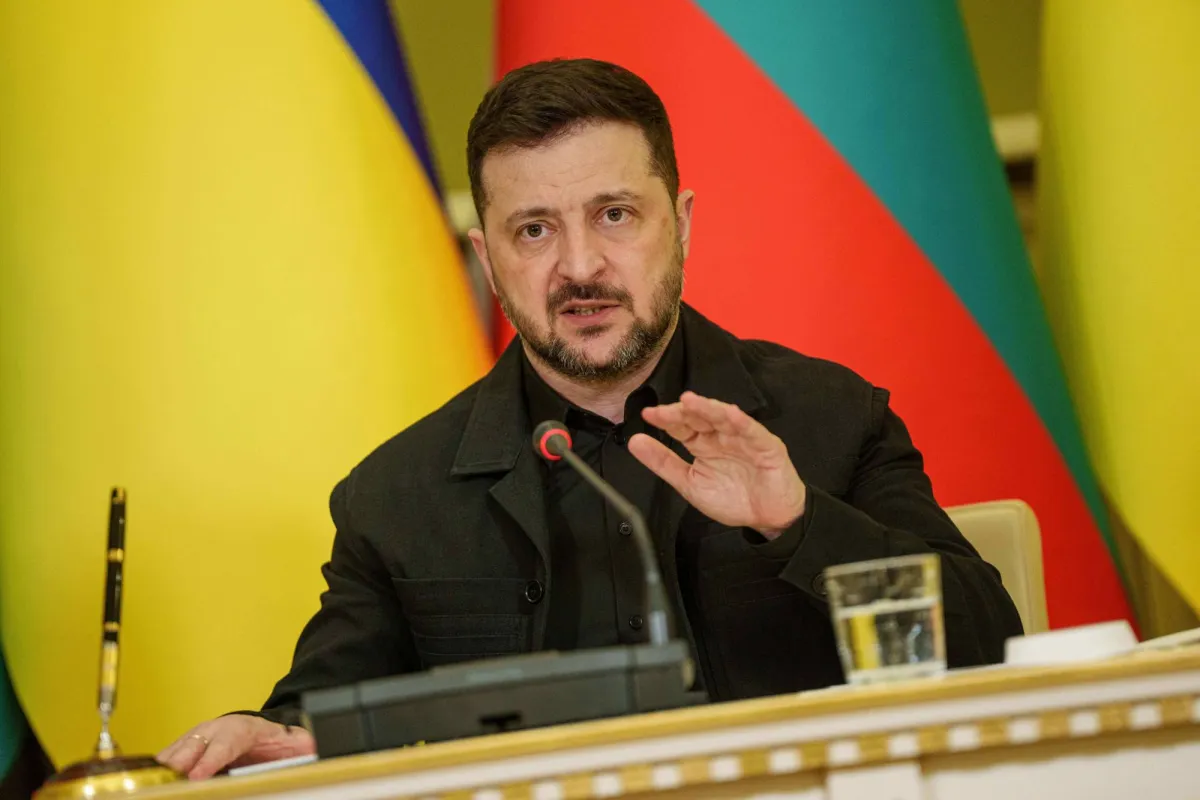
Ukrainian President Volodymyr Zelensky stated that Ukraine is prepared to reduce strikes on the Russian oil sector if Russia ceases its attacks on the Ukrainian energy system. This announcement was made in statements to journalists via the WhatsApp application, where Zelensky noted that some of Ukraine's allies have sent signals regarding the possibility of reducing these strikes, particularly in light of the sharp increase in global energy prices.
Zelensky confirmed Kyiv's openness to a ceasefire during the Easter holiday, indicating that Ukraine has received signals from some of its partners on how to lessen its responses to the oil and energy sector in Russia.
Zelensky's Statements and Global Energy Prices
Zelensky's remarks come at a time when global energy prices are witnessing significant increases, putting pressure on oil and gas importing countries. He pointed out that Russian strikes on Ukrainian energy infrastructure have led to difficulties in securing supplies, raising concerns about energy stability in the region.
Additionally, Zelensky mentioned that Ukraine is ready to reciprocate if Russia stops its attacks, reflecting Kyiv's desire to find a peaceful resolution to the ongoing conflict. These statements come at a sensitive time, as tensions in the global energy market are escalating due to geopolitical crises.
Background & Context
Since the onset of the conflict in Ukraine, energy infrastructure has been a primary target of Russian strikes, significantly impacting Ukraine's ability to secure its energy needs. Conversely, Russia seeks to maintain its oil and gas supplies, especially in light of the Western sanctions imposed on it.
Concerns are growing regarding the effects of the Ukrainian conflict on global energy markets, as European countries strive to reduce their dependence on Russian gas. The ongoing crises in the Middle East, including tensions with Iran, have further increased instability in energy markets, complicating the situation.
Impact & Consequences
If Russia responds positively to Zelensky's initiative, it could lead to a de-escalation of tensions in the region and contribute to stabilizing global energy prices. However, if Russian attacks continue, it may exacerbate economic crises in many countries, particularly in Europe, which heavily relies on Russian energy.
Many analyses predict that any further escalation in the conflict could lead to even higher energy prices, which would impact the global economy as a whole. The continued pressure on energy supplies may push countries to seek alternatives, potentially altering the global energy landscape.
Regional Significance
Arab countries are directly affected by rising energy prices, as they are among the largest producers and exporters of oil. Any changes in the global energy market could impact the economies of these countries, necessitating proactive measures to adapt to these changes.
Furthermore, the situation in Ukraine may open avenues for Arab countries to strengthen partnerships with European nations in the energy sector, especially as Europe seeks to diversify its sources and reduce its reliance on Russian gas.
In conclusion, the situation in Ukraine remains a focal point for the world, where political and economic dimensions intertwine in a complex manner, requiring close monitoring of upcoming developments.