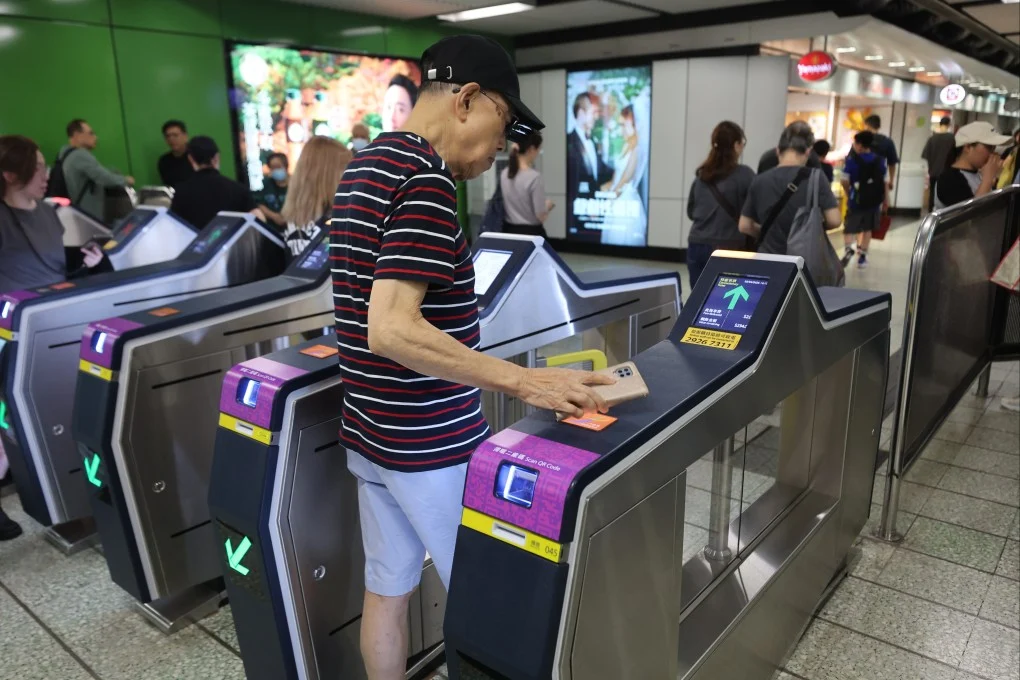
On Friday, Hong Kong authorities announced that they would not impose a cap on the number of subsidized public transport trips for seniors and people with disabilities, despite growing financial pressures. This decision comes after a thorough study found that the costs of implementing a cap would exceed the expected savings.
The study, conducted by the government, showed that the average number of people who exceed 240 trips per month is only 450 out of 2.7 million participants in the program. This means that the percentage of users who make excessive use of the service is less than 0.02%, making it economically unjustifiable to impose a cap.
Details of the Decision and Financial Rationale
The renewed plan benefits Hong Kong residents aged 60 and above, as well as people with disabilities who meet certain eligibility criteria, who pay only HK$2 (approximately US$0.25) per trip for public transport, including buses, trains, and ferries. The increasing cost of this program, which has been in place for over a decade, has raised concerns about its long-term financial sustainability in the face of an aging population.
According to Minister Chris Sun, the government has studied the option of imposing a cap ranging from 200 to 240 trips per month per person, but the financial analysis showed that the costs of developing and maintaining the necessary technology systems, as well as administrative and operational costs, would exceed the expected savings.
Historical Context and Recent Developments
The discounted public transport plan in Hong Kong was launched in 2012 as an initiative to support seniors aged 65 and above, before being gradually expanded to include younger age groups and people with disabilities. This program has become a cornerstone of the city's social welfare policy, aimed at maintaining the quality of life for its residents in the face of rising aging rates and living costs.
The transport sector in Hong Kong is undergoing significant changes with the implementation of major infrastructure projects, including new metro extensions and bus fleet upgrades. The decision not to limit trips falls within the government's efforts to strike a balance between financial sustainability and ensuring universal access to public transport, particularly in outlying areas where alternatives are limited and costs are relatively high.
Implications and Future Prospects
The government's decision reflects a focus on social inclusivity over direct financial savings in welfare programs, which may be welcomed by organizations advocating for seniors' and people with disabilities' rights. However, it raises legitimate questions about the government's ability to sustain funding for the program in the long term, especially with projections of a significant increase in the number of seniors to over a third of the population by 2040.
The annual cost of the program is in the hundreds of millions of Hong Kong dollars, and the authorities aim to enhance efficiency through digital transformation and data management rather than imposing restrictions on usage. Estimates suggest that maintaining the program as is will ensure continued service for over 2.6 million beneficiaries without administrative complexities that might exclude the most vulnerable groups.
Lessons for the Arab Region and Conclusion
Hong Kong's experience offers a significant model for major Arab cities facing similar challenges in public transport and aging populations. Cities like Cairo, Casablanca, and Dubai are developing their public transportation systems, and the Hong Kong experience can be leveraged to integrate social equity considerations with economic calculations, focusing on the fact that technological efficiency does not always mean restricting vulnerable groups.
The Hong Kong transport plan remains a testament to how governments can balance public interest with financial viability, as the numbers show that protecting the rights of the minority to intensive transport use can be more cost-effective than establishing complex regulatory mechanisms. As the debate on welfare reform continues worldwide, the Hong Kong decision serves as a reminder that smart solutions do not always require restricting beneficiaries.