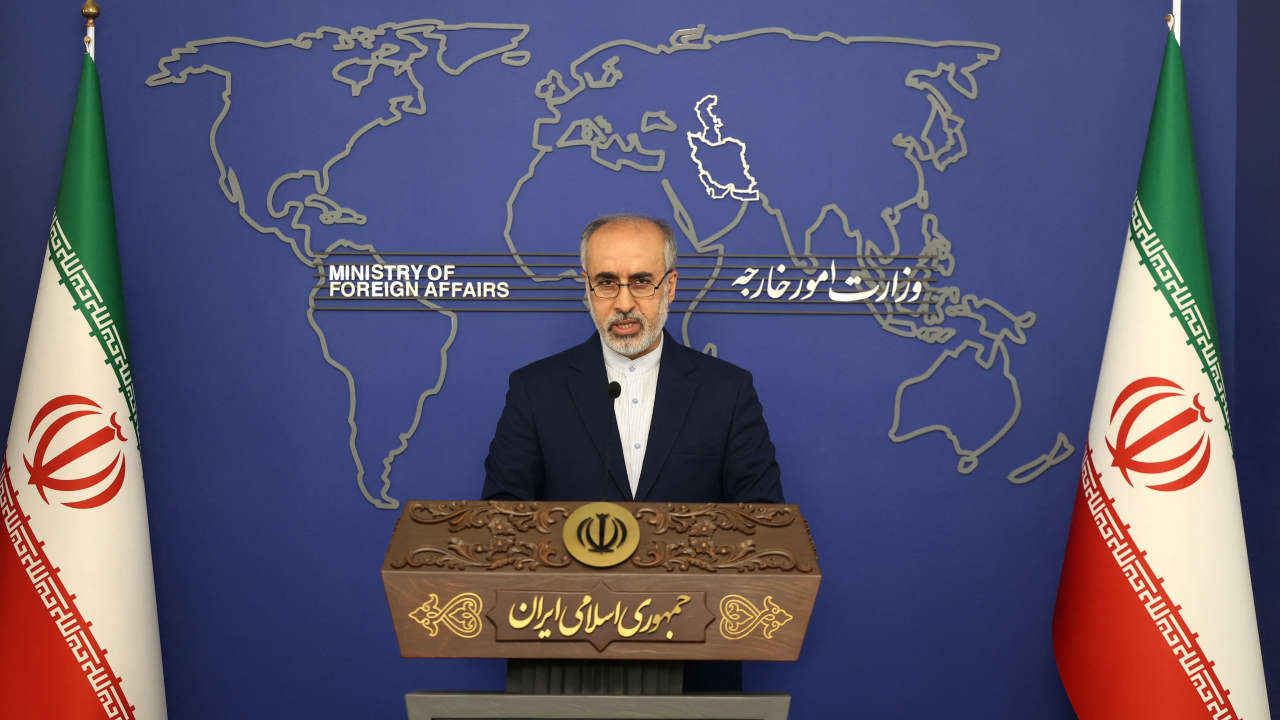
China warned on Monday that additional attacks in the Middle East could deepen crises, resulting in a situation that is "unmanageable" in a region torn by conflicts. These comments were made by Chinese Foreign Minister Wang Yi, who praised his country's role in promoting peace in the area during a press conference.
In a related context, Trump expressed a threat to potentially "destroy" Iranian power stations, raising international concerns over the ramifications of such escalation. Wang stated, "If the conflict escalates further, the situation may deteriorate again, putting the entire region at risk of sinking into an unmanageable crisis."
Event Details
The Chinese statements come at a sensitive time, as the conflict in the Middle East has recently seen notable escalation. The region experiences ongoing struggles, including civil wars, geopolitical tensions, and attempts at intervention from major powers like the United States.
Tensions surrounding Iran are among the most concerning issues in international circles, where Trump's threats can be perceived as a clear escalation of the crisis. In this context, China's dialogue serves as a warning for the necessity of restraint and avoidance of reckless actions that could intensify the situation.
Context and Background
The history of conflict in the Middle East is filled with tensions from wars and protests. Over the past decade, the region has witnessed a surge in violence and disputes, leading to a worsening humanitarian situation. The conflicts in Syria and Yemen necessitate serious international action; however, diplomatic solutions remain complicated due to conflicting interests of major countries.
China, as an emerging global power, recognizes the importance of stability in the region, relying heavily on energy trade flowing from the Middle East. Thus, its principled stance advocates for dialogue and emphasizes the need to limit military escalation.
Consequences and Impact
The extent to which escalation could occur if the situation remains unchecked could lead to many countries in the region slipping into chaos. Chinese warnings underscore the significance of the current tensions, where major powers anticipate severe implications for their economic and political interests if stability does not ensue.
Wang's comments follow a long history of sharp division among global powers over how to deal with Iran, reflecting complexities in international politics. Many estimates indicate that any new escalation would have profound repercussions at both regional and international levels.
Impact on the Arab Region
Considering the regional contexts, news of U.S. escalation raises numerous concerns among Arab nations. Several countries suffer from internal crises and issues related to food security and resources. Any escalation of this nature could affect stability in such countries and complicate crisis management, as seen in Iraq and Syria.
These tensions present a challenge for Arab countries, which will need to address these issues collectively to avoid potential pitfalls. It is crucial for Arab nations to resort to diplomatic channels to foster peaceful dialogue with all stakeholders moving forward.