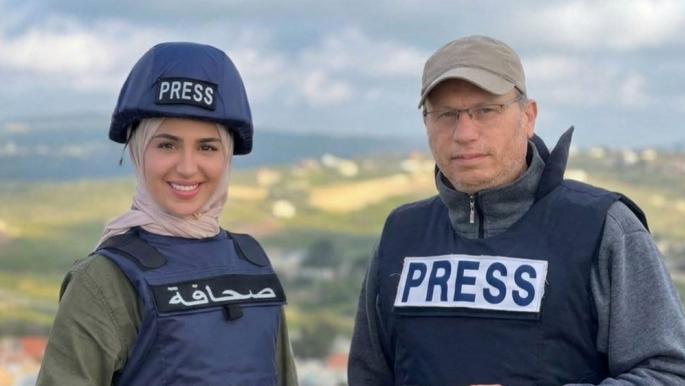
A journalist from Al-Mayadeen, Fatima Fatouni, and a reporter from Al-Manar, Ali Shaib, were killed today in Israeli airstrikes on the Jezzine area in southern Lebanon. The incident comes at a time when tensions between Lebanon and Israel are escalating, raising concerns about the safety of journalists in conflict zones.
Israeli military operations in Lebanon are not new, as the country has witnessed numerous airstrikes and clashes over the years. However, targeting journalists is a serious escalation and reflects the challenges faced by media outlets in covering events in conflict areas.
Details of the Incident
According to local sources, the Israeli airstrikes targeted the Jezzine area, where the two journalists were covering ongoing events. The attack resulted in the immediate death of the reporters, prompting widespread condemnation from media unions and human rights organizations.
This incident is part of a growing pattern of violence against journalists in conflict zones, where many are put at risk while performing their professional duties. Numerous international organizations have condemned this attack, calling for the protection of journalists and ensuring their safety.
Background & Context
Historically, Lebanese-Israeli relations have been marked by ongoing tensions, with several wars and conflicts occurring over the decades. Since the withdrawal of Israeli forces from Lebanon in 2000, the border between the two countries has continued to witness repeated clashes, complicating the security situation.
In recent years, tensions have escalated due to disputes over maritime borders, in addition to Israeli military activities in border areas. This escalation directly affects the lives of civilians and journalists who seek to cover events.
Impact & Consequences
This incident serves as a wake-up call regarding the dangers faced by media outlets in conflict areas. The killing of journalists highlights the urgent need for greater protection for journalists, especially in areas experiencing armed conflicts.
Additionally, this incident may increase pressure on the Lebanese government to provide better protection for journalists and could prompt the international community to take more effective measures to safeguard press freedom in conflict zones.
Regional Significance
This incident raises widespread concern in Arab circles, as press freedom is considered one of the foundations of democracy. Targeting journalists reflects a regression in human rights and heightens fears regarding freedom of expression in the region.
Moreover, the incident could impact relations between Lebanon and other Arab countries, potentially increasing tensions between Arab governments and Israel. Under these circumstances, the international community must work to enhance the protection of journalists and ensure their safety in conflict areas.
In conclusion, the killing of reporters Fatima Fatouni and Ali Shaib reminds us of the importance of protecting journalists in conflict zones and reflects the significant challenges faced by media outlets in their pursuit of truth.