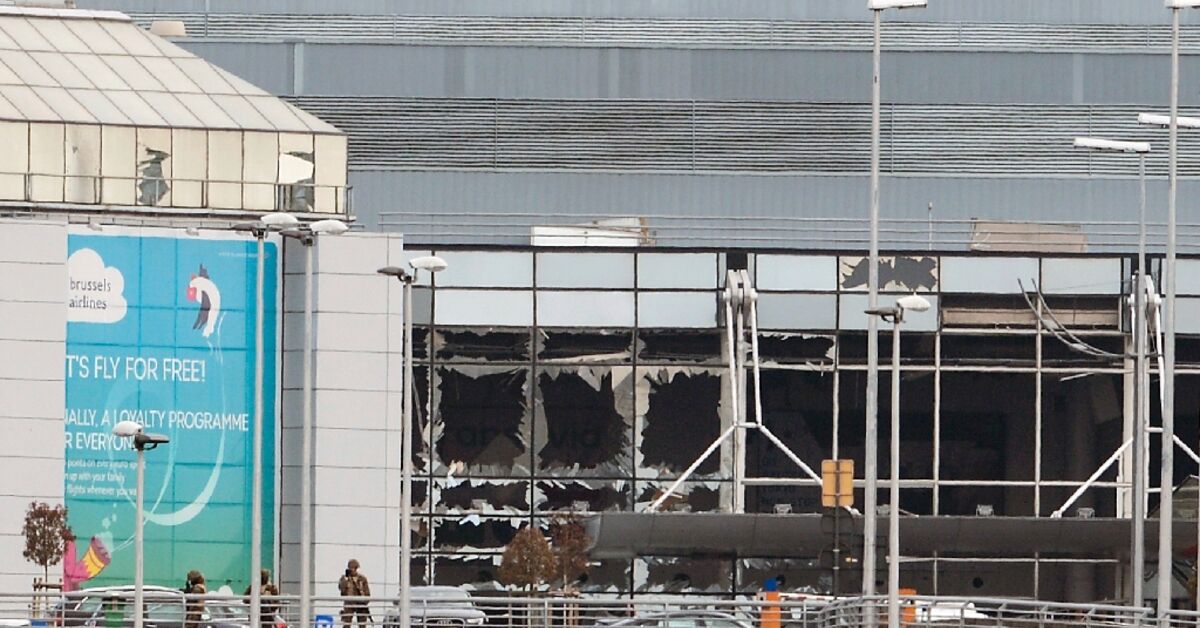
Belgium commemorated on Sunday, March 22, the tenth anniversary of the Brussels bombings carried out by jihadists in 2016, a trauma that still evokes pain and fear in the hearts of many. The attacks, which took place at Zaventem Airport and Maelbeek Metro Station, resulted in the death of 32 people and injuries to over 300 others, and were considered one of the most violent crimes the country has witnessed in peacetime. During the memorial ceremony held near the monument for the victims of this tragedy, King Philippe emphasized that Belgium will never forget those tragic moments, stressing that the Belgian people "did not succumb to fear and did not divide."
The bombings were attributed to ISIS, which had carried out a series of terrorist attacks across Europe during that period. The attack targeting Brussels came just months after the Paris attacks that claimed 130 lives, making the security situation in the old continent a subject of intense scrutiny. Belgium, known for its cultural and linguistic diversity, was experiencing internal tensions at the time, and these attacks were seen as evidence of the challenges it faced in combating terrorism.
Security Challenges and Reforms
The security obstacles faced by Belgian authorities during that period led to a comprehensive reassessment of their security and intelligence systems. As a result, budgets allocated for counter-terrorism were increased, and cooperation among European intelligence agencies was strengthened. Belgium began to develop new strategies to address the growing threats, despite the challenges associated with international cooperation and political disputes.
Reports indicate that these attacks marked a turning point in Belgian security policy, as the government adopted strategies to investigate the roots of terrorism and enhance cultural integration programs. However, doubts remain about the effectiveness of the efforts made to this day, as Belgian authorities continue to confront the harsh realities of terrorism.
Impact & Consequences
According to statistics, there are over 400 Belgians listed as suspects in connection with terrorist activities, and these facts have sparked intense discussions about how to address issues related to extremism and violence. Alongside security measures, it is important to highlight the social and psychological impact of these events, as they led to a division within Belgian society and increased tensions among various groups. Muslim communities have faced unwarranted targeting due to the attacks, complicating dialogue between communities.
In light of these events, the European context is linked to the situations in the Arab region, where several Arab countries have also experienced terrorist attacks and benefited from European experiences in addressing those challenges. The relationships between Arabs and Europe remain in need of attention to overcome these shared crises and challenges.
Regional Significance
Overall, the tenth anniversary of the Brussels bombings signifies the urgent need for international cooperation in combating terrorism and mitigating the negative consequences on communities. Addressing the roots of terrorism and containing extremism requires more collective work among countries and raising awareness of the necessity for a strategy that includes all parties.
Focusing on dialogue and mutual understanding is essential for advancing public discourse and overcoming the effects of violent events. It is important to remember that peace requires continuous efforts and awareness against hate speech and extremist ideologies, as they are factors that encourage extremism.
In conclusion, Belgium and the rest of Europe still face significant challenges in the field of security, but through lessons learned from the past, there is hope for a safer future based on mutual respect and constructive cooperation among diverse cultures.