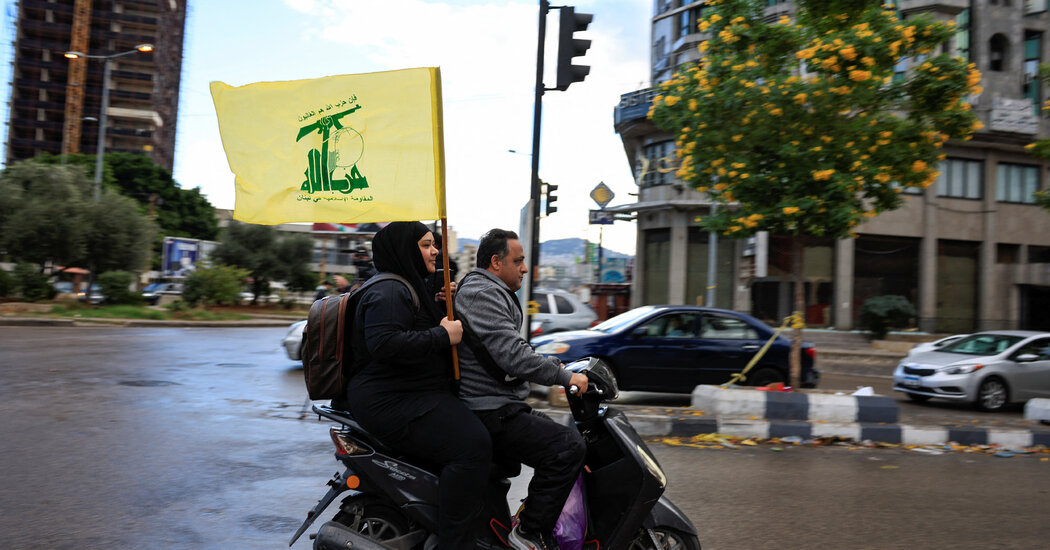
The Lebanese government has announced that it is making concerted efforts to communicate with various parties in an attempt to halt the violence in the country. This announcement comes at a time when Lebanon is witnessing a surge in violence and clashes, which is threatening the country's security and economic stability.
The government is seeking to achieve immediate calm in the affected areas, where the intensity of the clashes has increased in recent days, resulting in the loss of several lives and the injury of many civilians. Government sources have confirmed that the communications include all political and security parties, in an attempt to reach a comprehensive agreement that ensures security and peace in the country.
Event Details
Reports indicate that the recent clashes have broken out in several areas, leading to a state of panic among the population. The Lebanese government has expressed its concern over the consequences of these events on the social and economic situation, as Lebanon is already facing multiple crises, including the economic and financial crisis.
In this context, the government has emphasized the importance of dialogue and negotiation as a means of resolving conflicts, stressing the need to reach peaceful solutions that ensure the rights of all parties. It has also called for restraint and avoiding escalation, warning that continued violence could exacerbate the situation.
Background and Context
Historically, Lebanon has experienced numerous political and security crises, with internal and external conflicts having a significant impact on its stability. Since the end of the civil war in the 1990s, the Lebanese government has sought to build strong institutions, but the sectarian and political tensions remain a major challenge.
In recent years, the economic and social crises have intensified, further increasing public discontent. This has led to widespread protests in the streets of Lebanon, with citizens demanding improvements in living conditions and the provision of basic services.
Impact and Consequences
If a ceasefire agreement is not reached, Lebanon may face severe consequences, including the exacerbation of humanitarian crises and an increase in the number of displaced people. Continued violence will also have a negative impact on the Lebanese economy, which is already experiencing a significant collapse.
These events also pose a test for the government's ability to manage crises and deal with internal tensions. Success in achieving stability can restore confidence in institutions, while failure may lead to further division and chaos.
Regional Significance
The situation in Lebanon has significant implications for the region, as stability in Lebanon directly affects regional security. Any escalation of violence may have a ripple effect on neighboring countries, further complicating regional security issues.
The Lebanese crisis may also impact relations between Arab countries, as many countries closely monitor the situation. Any external intervention or support for specific parties may exacerbate the situation, prompting the international community to take urgent action to support stability in Lebanon.
In conclusion, hope remains with the Lebanese government's efforts to achieve peace and security, as stability is the only way out of the multiple crises facing Lebanon.