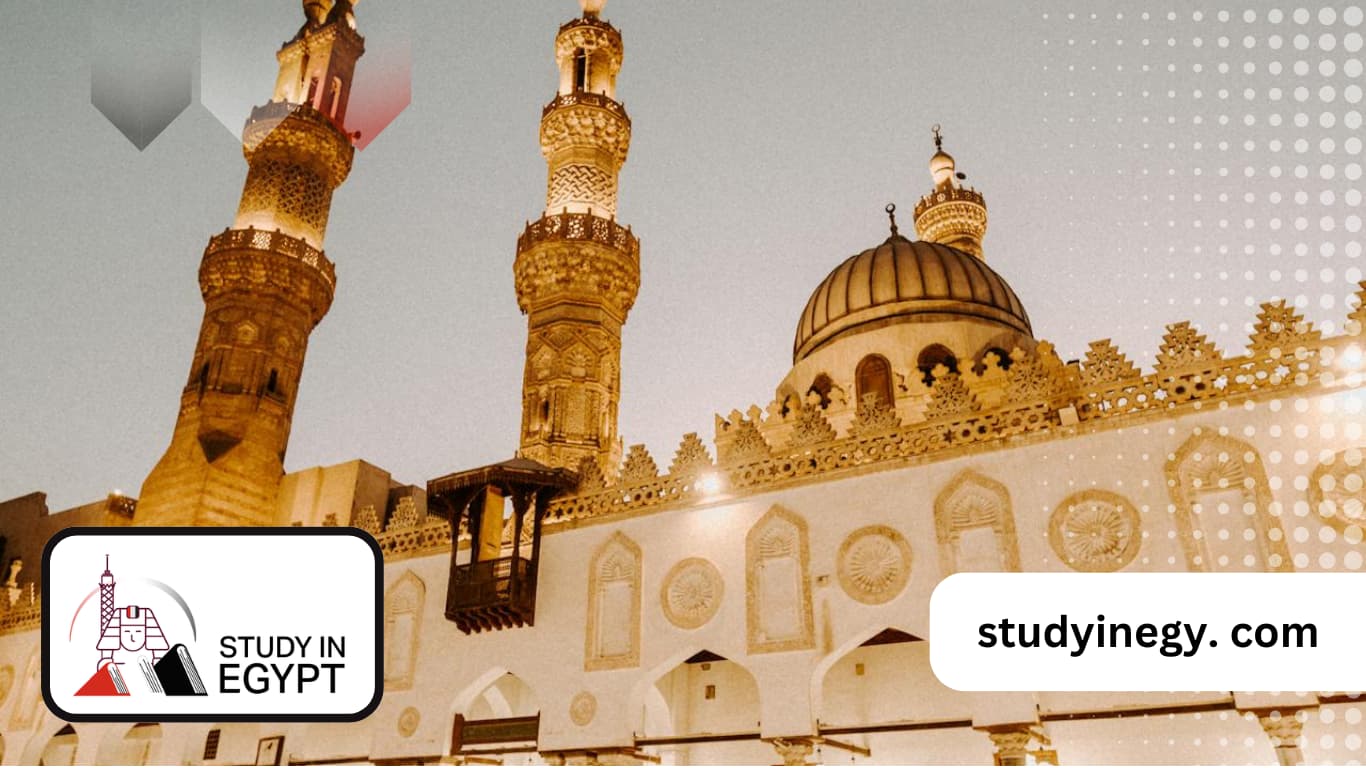
A total of 2300 students of various ages participated in sequential tests at the Quranic Hall for Adults at Al-Azhar Mosque, reflecting the community's commitment to Quranic education. These tests are part of a comprehensive program aimed at enhancing Quranic culture and improving religious education in Egypt.
This event is part of the ongoing efforts by Al-Azhar to promote religious education, as the Quranic Hall for Adults provides students with the opportunity to learn and perfect the recitation of the Quran, contributing to the dissemination of authentic Islamic culture.
Event Details
The tests were spread over several days, organized in a way that ensured easy access for students and provided a suitable environment for examination. The high turnout for these tests indicates the significance of this program within the community.
The tests included a variety of topics, covering the memorization of the Quran, its interpretation, and the rules of Tajweed (Quranic recitation). These assessments were prepared by a group of specialized Al-Azhar professors in Quranic sciences.
Background & Context
The organization of these tests aligns with Al-Azhar's vision to enhance religious education, especially in light of the challenges faced by Islamic communities in the modern era. Al-Azhar aims to provide a comprehensive educational model that combines religious sciences with modern disciplines.
Historically, Al-Azhar has been a beacon of knowledge and faith in the Islamic world, playing a pivotal role in spreading Islamic culture throughout the ages. With the increasing interest in religious education, it has become essential to develop educational programs that meet community needs.
Impact & Consequences
These tests contribute to strengthening the Islamic identity among students and promote values of tolerance and moderation. By learning the Quran, students can gain a deeper understanding of religious teachings, which helps in building a cohesive society.
The success of this event may encourage the organization of more similar educational programs in the future, reflecting Al-Azhar's commitment to developing religious education and enhancing Quranic culture.
Regional Significance
This event serves as a model for other Arab countries, where such programs can contribute to the enhancement and development of religious education. Given the challenges faced by Arab communities, it is crucial to promote religious and humanitarian values through education.
In conclusion, the success of these tests reflects the ongoing efforts of Al-Azhar to promote religious education and underscores the importance of disseminating Quranic culture in Arab and Islamic communities.