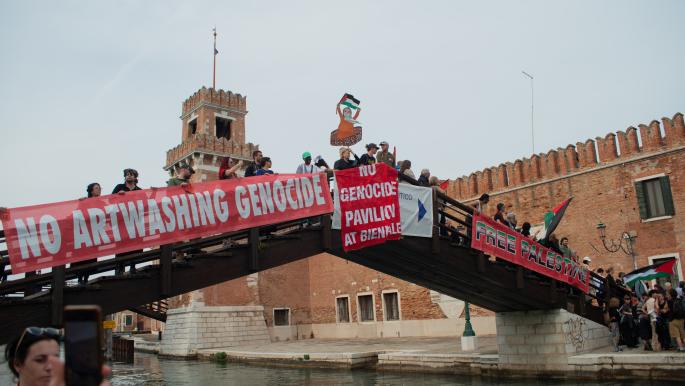
A cultural and artistic movement is gaining momentum in European cities, calling for a boycott of financial institutions that support the Israeli occupation. In London, Paris, and Berlin, artists and intellectuals have launched a wide campaign to withdraw investments from funds and institutions linked to companies involved in arms and settlement industries.
The movement, which has been gaining traction in recent weeks, has seen several high-profile artists and intellectuals withdraw their support for institutions that have ties to the Israeli occupation.
Details of the Event
In London, a major theatrical production was cancelled due to the financial backing of a company involved in the Israeli arms industry. In Paris, a group of artists organized an alternative exhibition, dubbed 'Resistant Art', to protest the financial support of institutions linked to the Israeli occupation.
The movement is gaining momentum, with reports suggesting that the boycott, divestment, and sanctions (BDS) campaign is gaining traction among European artists and intellectuals.
Background and Context
The movement is not isolated from the historical context of the cultural boycott that emerged in the 1970s against the apartheid regime in South Africa. European artists are drawing inspiration from the 'Art Against Apartheid' movement, using art and culture as tools for effective resistance against the Israeli occupation.
The current wave of boycotts is linked to scandals that have exposed the involvement of major European banks in financing settlement projects, prompting human rights organizations to file lawsuits demanding the criminalization of direct or indirect funding of settlements deemed illegal by the United Nations.
Impact and Consequences
The pressure has led to the withdrawal of several major sponsors from prominent cultural festivals in Germany and the Netherlands, fearing damage to their commercial reputation. Cultural institutions are beginning to review their investment policies to avoid being accused of complicity in war crimes.
Economic experts warn that continued support for the occupation could lead to economic rifts between the European Union and Israel, particularly in the technology and research sectors that have historically maintained close ties with European universities and cultural centers.
Regional Significance
The movement is resonating widely in Arab cultural circles, which see it as a victory for the Palestinian narrative and a correction of the media balance. European artists are conveying the human suffering to the Western audience through a language that transcends linguistic and political barriers.
The movement is also strengthening the Palestinian cause on the global cultural agenda, opening up new avenues for Arab-European solidarity based on shared human values, and paving the way for artistic collaborations aimed at exposing human rights abuses through creative expression rather than traditional political rhetoric.
As the military escalation continues in Palestinian territories, European theaters and museums are likely to remain battlegrounds, with artists using their brushes and musical instruments to combat the economic siege that fuels the war machine, in a struggle that is no less important than the battlefield itself.