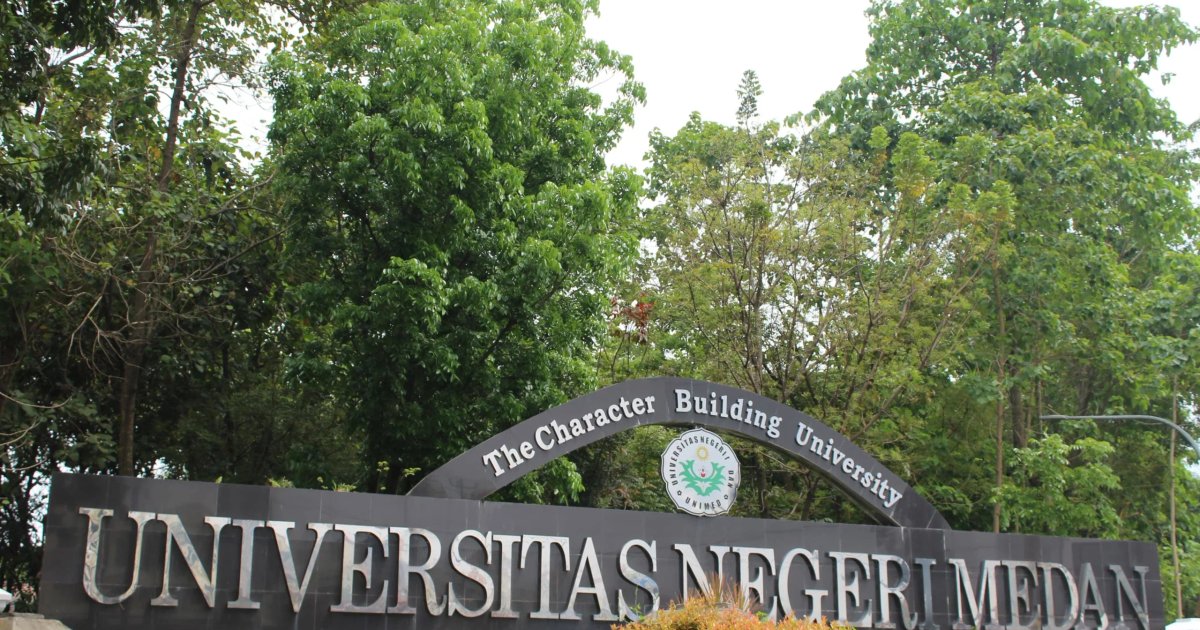
The University of Medan, Indonesia (Unimed) announced that 3,096 students successfully passed the admission tests through the Seleksi Nasional Berbasis Prestasi (SNBP) pathway for 2026. Among these, 1,788 students received scholarships from the Kartu Indonesia Pintar Kuliah (KIP-K) program, reflecting the university's commitment to providing higher education for outstanding students.
During a press conference held by the university's rector, Baharuddin, in Medan, he congratulated the students who passed these challenging tests. He emphasized that this success is a result of the continuous efforts and academic commitment of the students throughout their years of study in schools.
Event Details
The rector explained that the number of applicants this year reached 23,629 students, indicating intense competition among candidates. However, due to admission restrictions, only 3,096 students were accepted. He highlighted the significance of this achievement, urging students to appreciate their efforts and work towards achieving more successes during their academic journey.
The rector also confirmed that the SNBP pathway focuses on continuous academic performance, including students' grades in school reports and achievements in various fields. He hopes that the accepted students will continue to demonstrate excellence during their studies at the university.
Background & Context
The University of Medan, Indonesia, was established in 1955 and is one of the leading public universities in Indonesia. The university offers a variety of academic programs and is considered a center for scientific research in the region. With the increasing number of students applying to universities, competition for admission has become more intense, making success in admission tests vital for students.
The Indonesian government aims to improve the quality of higher education through scholarship programs such as KIP-K, which aims to support students from low-income families. This reflects the government's commitment to providing educational opportunities for all and promoting equality in access to higher education.
Impact & Consequences
The success of 3,096 students in passing the admission tests is a positive step towards enhancing higher education in Indonesia. This achievement not only contributes to improving the education level in the country but also reflects the efforts made by the government and universities to support outstanding students.
This success is expected to increase interest in higher education in Indonesia, potentially motivating more students to pursue their academic goals. Additionally, having a large number of students accepted into universities can contribute to community development by fostering research and innovation.
Regional Significance
Indonesia's experience in higher education serves as a model that Arab countries can benefit from. Many Arab nations face similar challenges in education, such as the increasing number of applicants and competition for university admission. Arab countries can draw from Indonesia's experiences in developing scholarship programs and enhancing the quality of higher education.
In conclusion, the success of students at the University of Medan, Indonesia, represents an important step towards enhancing higher education in Indonesia and reflects ongoing efforts to improve educational quality and provide opportunities for outstanding students. Strengthening higher education is vital for achieving sustainable development in any society.