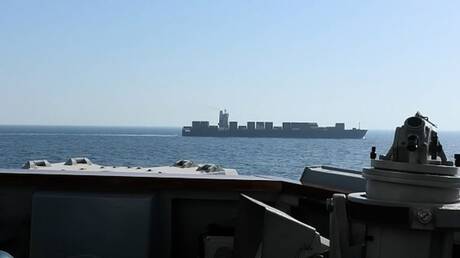
The US Central Command has reported that the number of ships that have changed their course or returned to port has reached 38, as part of the US blockade on Iranian ports. This blockade is occurring against a backdrop of rising tensions between the United States and Iran, as Washington seeks to reduce Iranian maritime activities in the region.
These US military measures include enhancing its presence in strategic waters, which increases pressure on Tehran and reflects the ongoing tensions between the two parties. The blockade specifically targets ships suspected of transporting cargo linked to Iranian oil, which is considered part of the maximum pressure policy adopted by the US administration against Iran.
Details of the Situation
According to reports, the ships that have changed their course include a variety of commercial tankers that were en route to Iranian ports. This shift in the ships' routes reflects the impact of the blockade on maritime trade in the region and indicates that many shipping companies are avoiding the risks associated with dealing with Iranian ports.
The US Central Command confirmed that these measures aim to protect American interests and those of its allies in the region, and they come as part of broader efforts to confront destabilizing Iranian activities. Additionally, these steps follow a series of hostile statements from Iranian officials, further escalating tensions.
Background & Context
Historically, relations between the United States and Iran have been tense since the Islamic Revolution in 1979. The current blockade is part of a broader strategy aimed at reducing Iran's ability to support armed groups in the region, such as Hezbollah in Lebanon and the Houthis in Yemen.
In recent years, the region has witnessed an increase in military activities, including attacks on oil tankers in the Strait of Hormuz, prompting the United States to bolster its military presence in the Gulf. These dynamics underscore the importance of maritime corridors and their impact on regional security.
Impact & Consequences
The repercussions of this blockade could be widespread, potentially leading to an increase in oil prices in global markets due to reduced supplies. Additionally, this blockade may affect maritime trade movements, negatively impacting the Iranian economy, which heavily relies on oil exports.
Moreover, these measures could escalate military tensions in the region, as Iran may feel compelled to respond to this pressure. Such potential escalation could threaten regional security and affect relations between neighboring countries.
Regional Significance
This situation highlights the significant impact of the US blockade on maritime trade and regional security. The ongoing tensions between the US and Iran not only affect their bilateral relations but also have broader implications for the stability of the Middle East.
In conclusion, the developments surrounding the blockade and the changing routes of these ships illustrate the complex interplay of military strategy, economic interests, and geopolitical dynamics in the region.