The death toll from a bombing targeting a bus on a highway in Colombia has risen to 20 fatalities, as political violence escalates ahead of next month's presidential elections. The incident occurred on Saturday in the southern Cauca region, injuring 36 others, including children, causing widespread panic and concern across the nation.
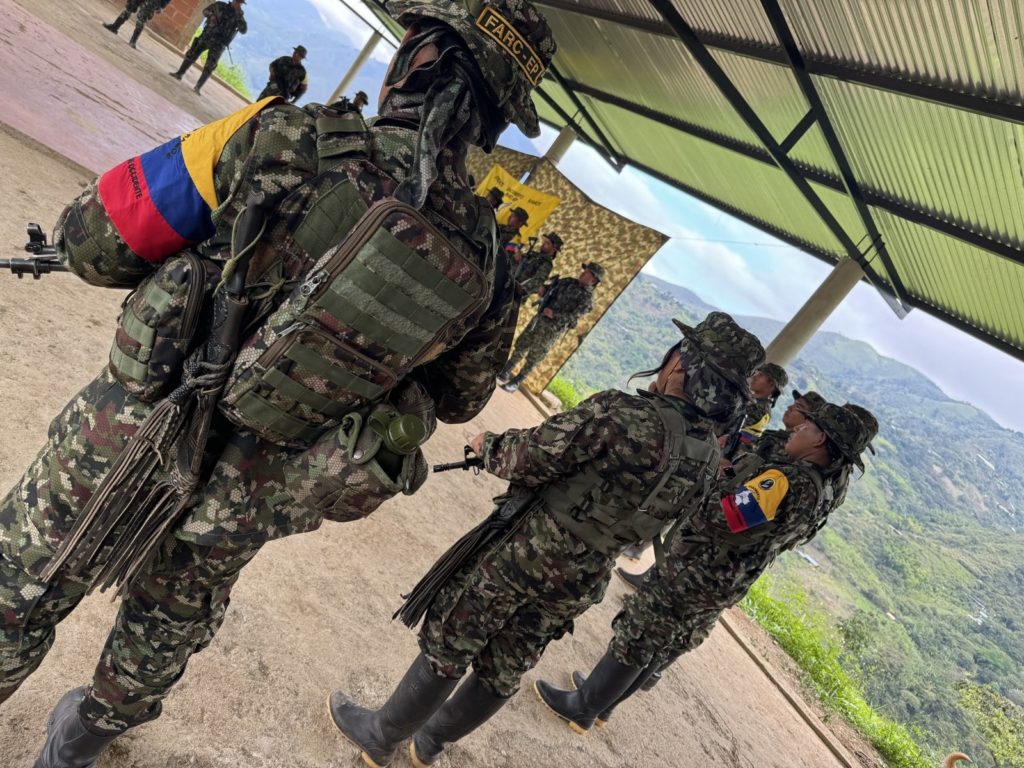
Videos circulated from the scene depicted horrific images of destroyed vehicles and debris scattered across the Pan-American highway. Colombian President Gustavo Petro blamed the attack on rebels linked to dissident factions of the Revolutionary Armed Forces of Colombia (FARC), while the regional governor Octavio Guzmán described the assault as the most brutal against civilians in decades.
Details of the Incident
In subsequent updates, Guzmán reported that 15 women and 5 men were among the victims of the attack, which left a crater measuring 200 meters in diameter. Eyewitnesses told the Associated Press that the explosion was so powerful it knocked them back several meters.
Defense Minister Pedro Arnulfo Sánchez noted that a bus loaded with explosives had failed to detonate earlier in the day in the same area, confirming that the attack was carried out by members of a drug cartel. Small-scale attacks have increased in Cauca since Friday, including an assault on a military base in the city of Cali that resulted in two injuries.
Background & Context
These attacks come at a sensitive time as Colombia approaches the presidential elections scheduled for May 31. The government signed a peace agreement with FARC in 2016, leading to the disarmament of thousands of fighters; however, some factions have refused to lay down their arms and continue to engage in violent operations.
President Petro, a former fighter, is pursuing a controversial peace strategy with various armed groups, experiencing periods of ceasefire alongside intermittent violence during his term. As his term nears its end this year, he faces increasing pressure from right-wing opposition promising to tighten measures against rebels.
Impact & Consequences
These attacks serve as a stark reminder of the ongoing security challenges in Colombia, where armed factions remain active in many areas. These events have impacted the political and economic stability of the country, complicating the government's efforts to achieve peace.
Concerns are growing that such violence could escalate in the lead-up to the elections, potentially affecting their outcomes and bolstering the positions of candidates advocating for a forceful approach against rebels. Simultaneously, these incidents may lead to a decline in public support for peace efforts.
Regional Significance
The events in Colombia highlight the security and political challenges faced by many countries worldwide, including those in the Arab region. Political violence and armed conflicts are not unfamiliar to the area, where some nations suffer from similar struggles affecting stability and development.
Understanding the complex dynamics of conflicts in Colombia can provide valuable lessons for Arab countries striving for peace and stability under similar circumstances.