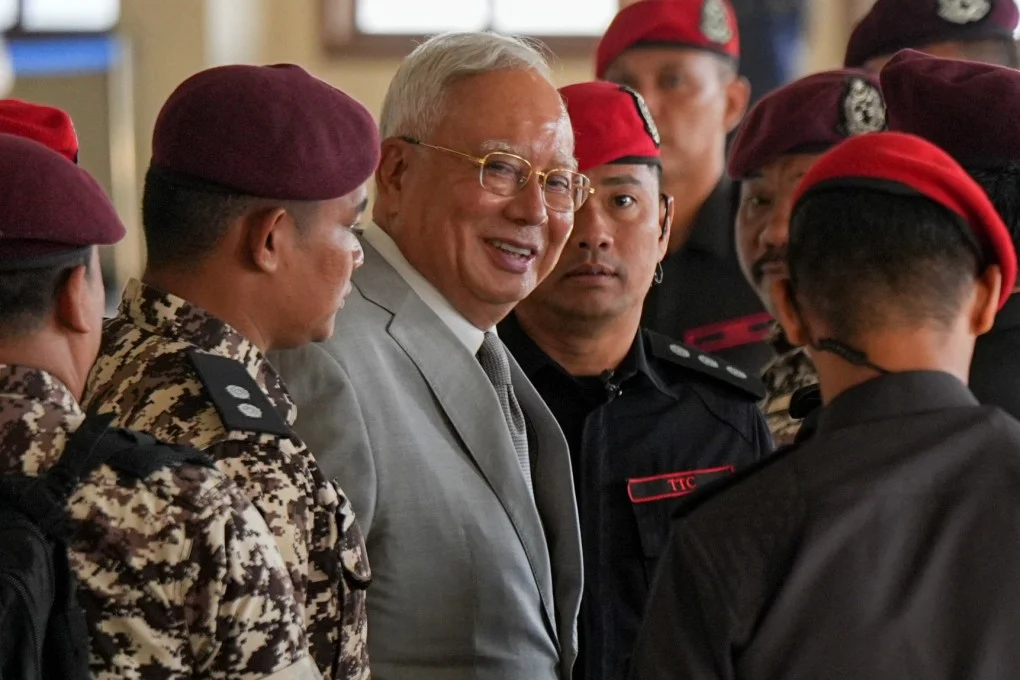
Former Malaysian Prime Minister Najib Razak has announced his withdrawal from the legal attempt to serve the remainder of his sentence under house arrest, effectively closing the door on the appeal linked to the anticipated royal pardon in 2024. Najib, aged 72, is currently serving a six-year prison sentence at Kajang Prison after his original 12-year sentence was reduced due to embezzlement of 42 million Malaysian Ringgit (approximately 10.6 million USD) from SRC International.
This case is considered one of the largest corruption scandals in Malaysia's history, with SRC International being part of the 1MDB development fund, which sparked widespread controversy over financial corruption and mismanagement. Najib was convicted in 2020 of embezzlement, leading to a series of events that impacted Malaysian politics.
Legal Developments and Political Context
His withdrawal from the house arrest request comes after a period of legal deliberations and public scrutiny. Najib had hoped for a royal pardon, which could have allowed him to return to political life. However, the decision to abandon the appeal reflects increasing legal and political pressures.
In 2024, the pardon committee decided to reduce his sentence from 12 years to 6 years, raising questions about the influence of politics on justice. This decision is seen as a turning point in his political career, as Najib had hoped to regain some of his former influence.
Background & Context
The roots of the 1MDB scandal date back to 2009, when the fund was established to promote economic development in Malaysia. However, it soon became clear that funds had been illegally diverted to personal accounts, leading to extensive international investigations.
Najib's case is part of a larger wave of anti-corruption efforts in the region, as many countries seek to address corruption issues that harm the economy and affect public trust in government.
Impact & Consequences
The impact of this case extends beyond Malaysia's borders, illustrating how corruption issues can affect political and economic stability in developing countries. Najib's withdrawal from the house arrest request may open the door for further investigations into corruption within the Malaysian government.
This case also raises questions about the effectiveness of legal systems in combating corruption and the ability of governments to hold corrupt officials accountable. Najib's withdrawal may influence how other governments deal with corruption issues.
Regional Significance
This case highlights the challenges governments face in combating corruption and its impact on politics and the economy. It serves as a lesson in the importance of fighting corruption and enhancing transparency in governments.
As the region continues to grapple with corruption, Najib's situation may serve as a catalyst for reform and greater accountability in governance.