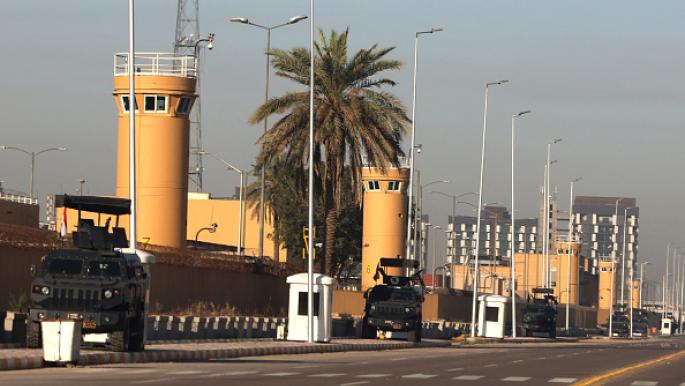
Many foreign and Arab diplomatic missions continue to delay their return to Baghdad, despite the current ceasefire, reflecting fears over the evolving security situation. This step comes at a critical time as Iraq's circumstances are still characterized by tension and instability, making the return to the Iraqi capital fraught with risks.
These missions are considered an essential part of international efforts to support Iraq in overcoming its multiple crises. However, concerns about escalating violence or any unexpected developments are prompting these missions to adopt a cautious stance. Many countries that had closed their embassies or reduced their diplomatic presence in Iraq are still closely monitoring the situation.
Details of the Situation
Diplomatic missions from several countries, including the United States and European nations, as well as Arab countries, are present in Iraq. As security conditions deteriorated in recent years, these nations were forced to scale back their diplomatic presence. Despite the ongoing ceasefire, fears of a resurgence in violence may delay plans for a full return.
Reports indicate that some countries have begun reassessing the security situation in Iraq, but they remain hesitant to take bold steps toward fully reopening their embassies. This hesitation reflects the uncertainty dominating the political and security landscape in the country.
Background & Context
In recent years, Iraq has witnessed numerous political and security crises, ranging from the war against ISIS to internal conflicts among political factions. These crises have led to a deterioration of security conditions, adversely affecting diplomatic relations with many countries.
In past years, numerous countries have taken drastic steps to reduce their diplomatic presence in Iraq, closing some embassies or cutting back on staff. This trend has emerged due to increasing security risks, causing many nations to hesitate in fully reopening their embassies.
Impact & Consequences
The delay in returning to Iraq has significant implications for international relations, affecting Iraq's ability to regain its status as a stable and attractive investment destination. This situation may also hinder the Iraqi government's efforts to enhance security and stability, complicating the political landscape further.
Moreover, the continued absence of diplomatic missions impacts the provision of international support for Iraq in various fields, such as reconstruction and development. This absence could exacerbate the economic and social crises in the country.
Regional Significance
The return of diplomatic missions to Iraq is a crucial indicator of the stability of the security and political situation, which in turn affects international relations and support for Iraq in development and reconstruction efforts.
In conclusion, the ongoing delay in the return of diplomatic missions underscores the precarious nature of Iraq's situation and the challenges it faces in regaining its footing on the international stage.