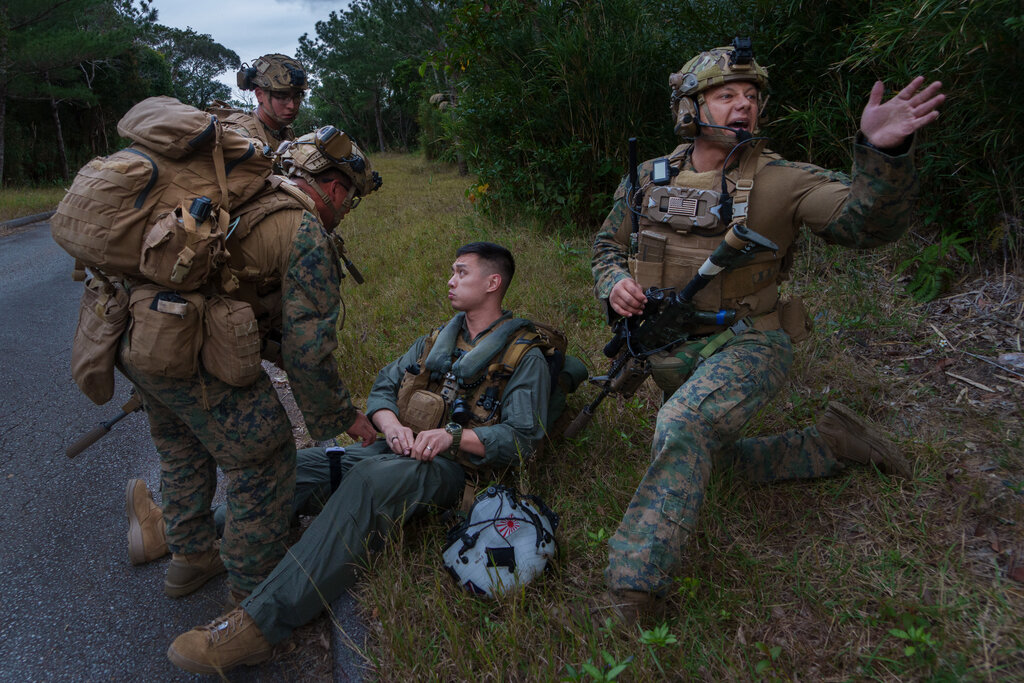
In a controversial incident regarding the presence of American forces in Japan, local police in Okinawa arrested two US Marines on Sunday. One was apprehended for illegally entering a hotel, while the other was arrested for driving under the influence of alcohol.
According to local media reports, one Marine was detained early in the morning after entering a hotel in Okinawa without permission, while the other was arrested later that same day. Both detainees denied the charges against them, adding further complexity to the case.
Details of the Incident
Okinawa hosts approximately 70% of the US military bases in Japan, despite comprising only 0.6% of the country's total land area. This high concentration of American troops in a small area has led to ongoing tensions between local residents and US military authorities.
Incidents related to the behavior of US forces in Okinawa are not new, as the region has witnessed numerous similar occurrences in recent years. These incidents have raised significant concerns among local residents, who feel that the presence of American troops negatively impacts their daily lives.
Background & Context
Historically, US forces have been stationed in Japan since the end of World War II, following the signing of a security treaty between the two countries. Since then, American military bases have become an integral part of the US defense strategy in the Pacific region. However, the presence of these forces has faced increasing criticism from local populations, who are calling for a reduction in the number of military bases or even their closure.
Impact & Consequences
These incidents raise questions about the conduct of US forces and their impact on US-Japan relations. While the United States seeks to bolster its military presence in the region, negative incidents may lead to a deterioration of relations with the Japanese government and local communities. Furthermore, these events could fuel local nationalist sentiments in Japan, potentially leading to greater calls for a reevaluation of security agreements with the United States.
Regional Significance
The ongoing tensions between American forces and local residents in Japan highlight the complexities of military presence in foreign nations. As the US continues to navigate its strategic interests in the Pacific, incidents like these could have broader implications for regional stability and international relations.
In conclusion, the recent arrests of the Marines in Okinawa underscore the challenges faced by both the US military and local communities. Addressing these issues is crucial for maintaining a positive relationship between the United States and Japan.