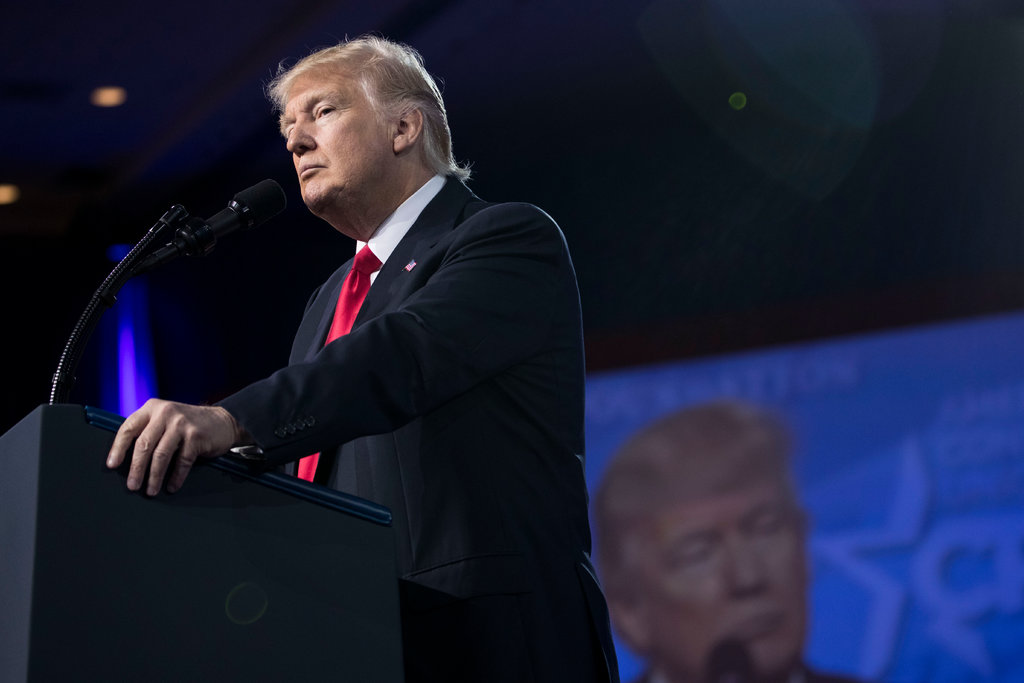
An unprecedented incident occurred at the White House Correspondents' Dinner, where President Donald Trump was attacked during the event, raising widespread concerns about the political and security situation in the United States. This incident reignites discussions about the challenges facing the current administration and raises questions about the effectiveness of security measures in place for such events.
The incident comes at a sensitive time for the United States, where political and social pressures on the current administration are increasing. The attack was not just a random occurrence; it reflects a state of heightened political polarization in the country, which could affect government stability and exacerbate tensions among various political factions.
Details of the Incident
The attack took place during the White House Correspondents' Dinner, an annual event that brings together journalists and government officials. The dinner is typically a celebration of press freedom, but the attack targeting Trump turned this occasion into a scene of chaos and concern. Details of the attack remain unclear, but initial reports suggest that the incident was premeditated, raising questions about security at official events.
Security authorities have launched extensive investigations into the incident, calling in several witnesses and attendees of the dinner to gather more information. This incident highlights the urgent need to enhance security measures at public events, especially those involving prominent political figures.
Background & Context
Historically, the United States has witnessed numerous security incidents targeting political figures, but the attack during the White House Correspondents' Dinner underscores the increasing tensions in the political landscape. Recent years have seen a rise in violent rhetoric, reflecting a state of political and social polarization.
This incident comes at a time when the United States is grappling with deep divisions, with growing fears of political violence. Attacks on public figures have become more common, raising concerns about the future of democracy in the country.
Impact & Consequences
The potential ramifications of this attack could be far-reaching, as it may affect the relationship between the government and the media. If such incidents continue, it could lead to a decline in press freedom and increased restrictions on journalists.
Moreover, the incident may prompt changes in security policies, as the government is likely to adopt stricter measures to protect public figures. These changes could impact how public events are organized in the future, altering the nature of interaction between the government and citizens.
Regional Significance
Considering the impact of political events in the United States on the Arab region, this incident may heighten concerns among Arab nations regarding political stability in the United States. Many countries rely on American support for their political and economic issues, and any shifts in U.S. policy could affect these relationships.
Additionally, the rise of political violence in the United States could inspire extremist groups in the region, increasing security tensions. Therefore, this incident is not merely a local event; it has regional implications that could affect stability in the Middle East.
In conclusion, the attack targeting President Trump during the White House Correspondents' Dinner reflects significant challenges facing the United States under current circumstances. This incident opens the door for deeper discussions about political security and press freedom, highlighting the importance of strengthening security measures to protect democracy.