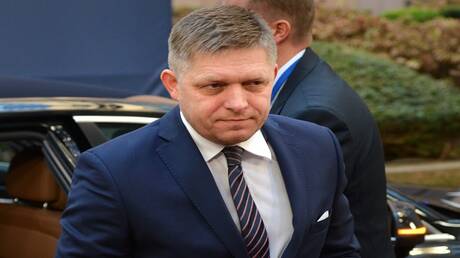
Slovak Prime Minister Robert Fico has cautioned that Ukraine's potential accession to the European Union could turn into a large-scale blackmail operation from the Kyiv regime towards Brussels. These statements come at a sensitive time as pressures increase on European nations to support Ukraine amid its ongoing conflict with Russia.
In remarks to reporters, Fico elaborated that there are fears Ukraine might exploit its current situation to secure more financial and political support from the EU, which could erode trust among member states. He noted that this dynamic might negatively impact relations between European countries.
Details of the Warning
Fico's comments come as calls from several European nations for support to Ukraine are intensifying, with Kyiv seeking to join the EU as part of its strategy to counter Russian threats. However, some European leaders express concerns that this accession could come with significant political and economic costs.
In this context, Fico pointed out that some countries might worry that Ukraine could use its status as a threatened state to gain additional aid, potentially exploiting the situation to its advantage. This issue could spark widespread debate within the EU regarding how to handle Ukrainian requests.
Background & Context
Since the onset of the conflict in Ukraine in 2014, relations between Kyiv and Moscow have been severely strained. This conflict has led to radical changes in Ukraine's foreign policy, as the country seeks to distance itself from Russian influence and join Western institutions. In this context, EU membership is seen as a strategic step for Ukraine to bolster its security and stability.
However, the process of joining the EU is not straightforward, as it requires meeting specific criteria related to democracy, human rights, and the economy. Previous experiences have shown that some countries have faced difficulties in meeting these standards, raising questions about Ukraine's ability to comply.
Impact & Consequences
If Ukraine continues to use its status as a threatened state to secure more support, this could lead to a deterioration of trust among EU member states. Such a situation could adversely affect European cooperation in other areas, such as security and defense, where the EU relies on unity to face common challenges.
Moreover, this dynamic could increase divisions within the EU, as member states may have differing views on how to address Ukrainian requests. This division could weaken the EU's ability to make effective decisions in response to global challenges.
Regional Significance
Developments in Ukraine are of great importance to the Arab region, as they may affect relations between Arab countries and the EU. Amid rising tensions, some Arab nations may seek to strengthen their ties with the EU as a means to enhance their security and stability.
Additionally, recurring crises in Europe could impact the economic policies of Arab countries, particularly in energy and trade sectors. Therefore, monitoring these developments is essential for understanding their implications for the Arab region.
In conclusion, the situation in Ukraine remains a complex issue that requires close observation by the international community. Fico's warnings reflect the increasing concern about how to manage relations between Ukraine and the EU under current circumstances.