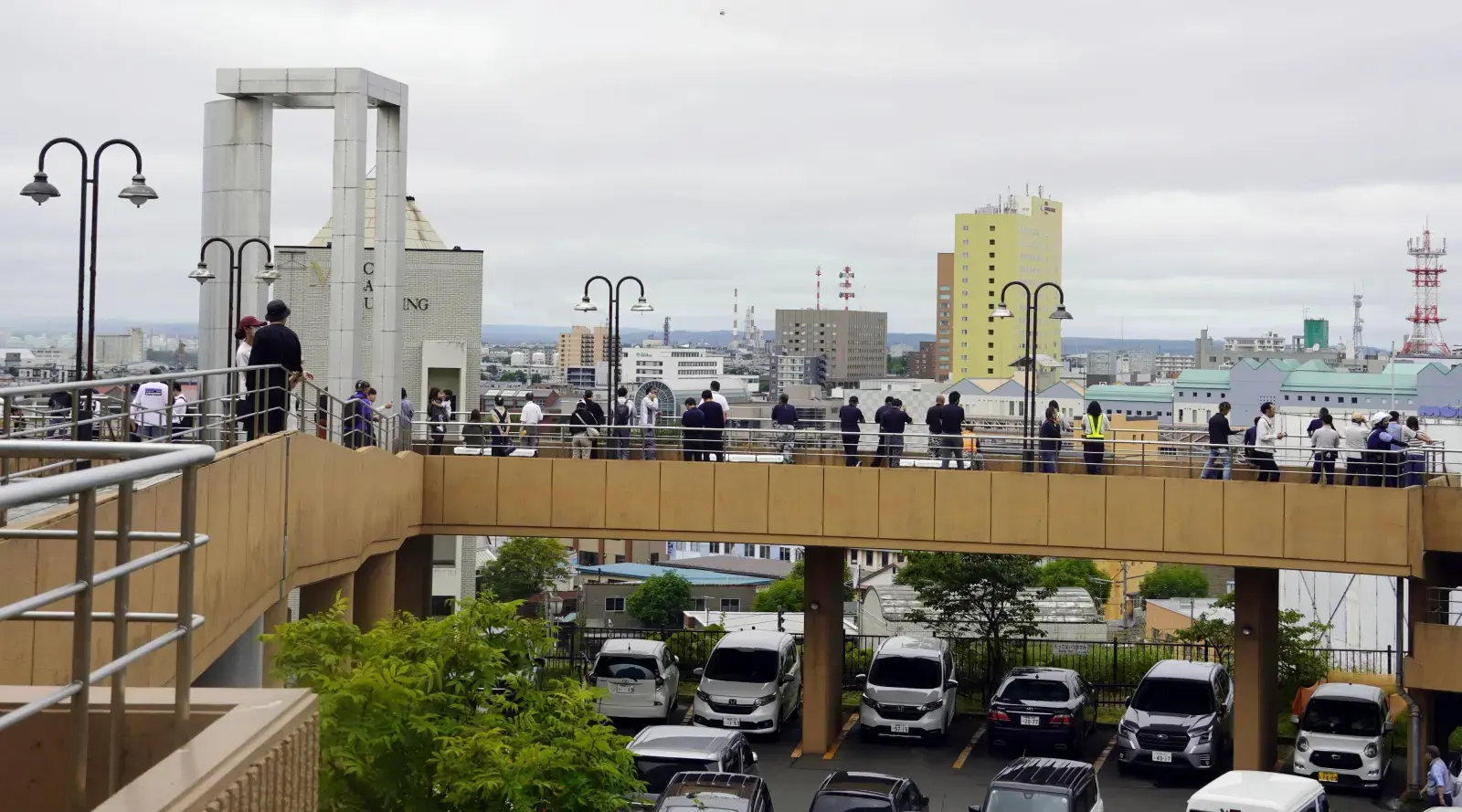
A 6.1 magnitude earthquake hit northern Japan, causing concern among local residents. The quake occurred at 6:00 AM local time, with many residents in surrounding areas feeling the tremors.
Currently, there are no reports of severe damage or injuries, but local authorities are continuing to assess the situation. The earthquake's epicenter was located in a remote area, which may explain the lack of significant damage.
Details of the Event
According to the Japanese earthquake center, the quake's epicenter was at a depth of 10 kilometers, a depth considered moderate for earthquakes. Japan, known for its seismic activity, has experienced numerous earthquakes in recent years, but this quake comes at a sensitive time as the country prepares to host important international events.
Local authorities have issued warnings to residents, urging them to take necessary precautions. The early warning system for earthquakes, regarded as one of the most advanced in the world, has also been activated.
Background & Context
Historically, Japan has witnessed many devastating earthquakes, including the Fukushima earthquake in 2011, which led to a nuclear disaster. This recent earthquake is part of the ongoing seismic activity in the region, as Japan lies on the Pacific Ring of Fire, an area known for its seismic activity.
Japan is a leader in earthquake technology, having invested significantly in developing early warning systems and earthquake-resistant infrastructure. These investments have helped reduce potential damage during earthquakes.
Impact & Consequences
Although there are no reports of severe damage so far, the earthquake could impact economic activities in the region. Japan is one of the largest economies in the world, and any disruption in economic activity could have far-reaching consequences.
Concerns about earthquakes may also affect tourism, as Japan welcomes millions of tourists annually. Any reports of earthquakes could influence travel decisions for potential visitors.
Regional Significance
Despite the distance, earthquakes in Japan remind us of the importance of preparedness for natural disasters worldwide. Many Arab countries are also exposed to natural hazards, such as earthquakes and sandstorms, necessitating the enhancement of early warning systems and disaster preparedness.
These events serve as a reminder that international cooperation in managing natural disasters can significantly impact reducing damage and losses.