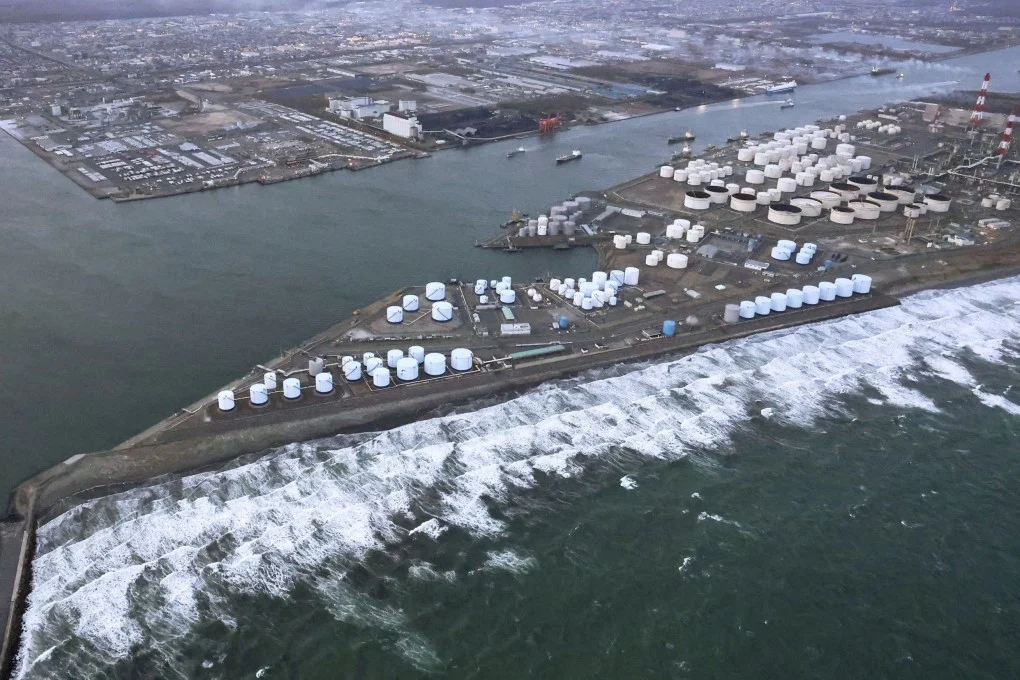
A powerful earthquake measuring 6.2 struck Japan's Hokkaido island early Monday morning, with both American and Japanese meteorological agencies reporting the seismic event. The earthquake occurred at 5:23 AM in the southern region of Hokkaido, at a depth of 83 kilometers.
No tsunami warning was issued, according to the Japan Meteorological Agency, which revised its initial estimate of the earthquake's magnitude from 6.1 to 6.2. The United States Geological Survey also predicted that the damage from the earthquake might be limited.
Details of the Event
This earthquake is part of a series of strong seismic activities that Japan has experienced recently, raising concerns among local residents. Historically, Japan is prone to frequent seismic activity due to its geographical location on the Pacific Ring of Fire, an area known for its high seismic activity.
Japan receives continuous warnings about earthquakes, being one of the most prepared countries to face natural disasters. Reports indicate that the recent earthquake did not result in significant injuries or damage, but local authorities continue to monitor the situation closely.
Background & Context
The history of earthquakes in Japan spans centuries, with the country experiencing numerous devastating quakes, such as the Kobe earthquake in 1995 and the Fukushima earthquake in 2011. These events have contributed to raising public awareness about the importance of disaster preparedness.
The Japanese government is developing effective strategies to deal with earthquakes, including improving infrastructure and enhancing early warning systems. This recent earthquake reflects the ongoing challenges the country faces in this context.
Impact & Consequences
Although no significant damage has been reported so far, the earthquake highlights the importance of being prepared for natural disasters. Potential aftershocks may increase anxiety among residents, necessitating enhanced public awareness regarding emergency procedures.
It is crucial for local authorities to remain vigilant for any developments that may arise as a result of this earthquake. Continuous analysis of seismic data will aid in improving future response strategies.
Regional Significance
While earthquakes in Japan may seem distant from the Arab region, there are lessons to be learned. Natural disasters do not recognize borders, and Arab nations must enhance their capabilities to respond to disasters by developing effective emergency plans.
Preparedness for natural disasters is a fundamental part of national security, and Arab countries should leverage the experiences of other nations like Japan in this field.