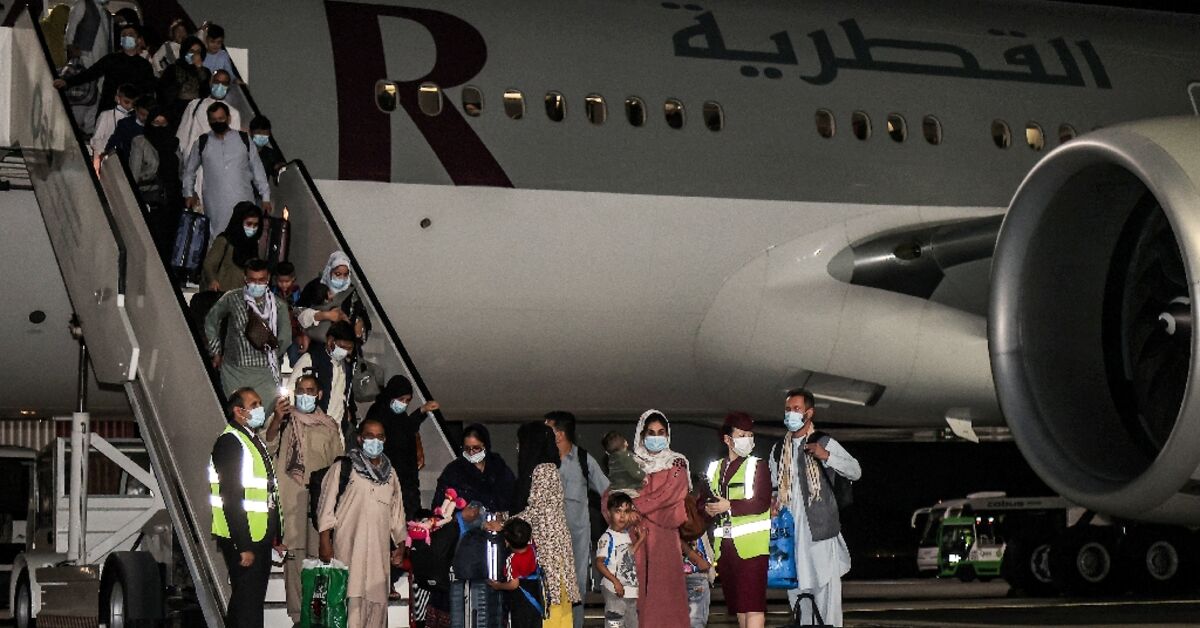
More than 1,100 former allies of U.S. forces in Afghanistan, along with their families, have been living in a state of uncertainty for over a year, trapped behind the walls of an abandoned U.S. military base on the outskirts of the Qatari capital, Doha. These individuals, who assisted U.S. forces during their presence in Afghanistan, now find themselves in a difficult situation after fleeing their homeland in search of safety.
One of these allies, Rasooli, who worked as a translator for U.S. forces, noted that life in Camp As Sayliyah, where they reside, is filled with anxiety and stress. Rasooli states, "We are all living in extreme worry; we feel like we are in a state of waiting, not just my family and I, but also others here."
Details of the Situation
Concerns are escalating among these individuals as they lack clear information about their future. Although they managed to escape Afghanistan after the Taliban takeover, they are now trapped in an unstable situation, heightening their feelings of isolation and anxiety. These individuals live under difficult conditions, facing daily challenges related to living and integrating into a new society.
Rasooli spoke about the psychological challenges faced by him and his family, indicating that the prolonged wait and uncertainty are affecting their mental health. Many of these individuals feel they have lost their identity, having lived active and work-filled lives before being forced to flee.
Background & Context
After the withdrawal of U.S. forces from Afghanistan in August 2021, the country witnessed a significant power shift with the return of the Taliban. This sudden change left many U.S. allies at risk, as they were targeted by the Taliban for their cooperation with foreign forces. In this context, many were relocated to Qatar as part of evacuation efforts, yet their current situation reflects the ongoing challenges they face.
Historically, Qatar has been one of the countries that hosted negotiations between the U.S. and the Taliban, making it a focal point in peace efforts. However, the current situation for these former allies highlights the gap between the promises made and the reality they confront.
Impact & Consequences
The repercussions of this situation extend beyond the individuals involved, raising issues of human rights and human dignity. The inability of these individuals to return home or integrate into Qatari society underscores the challenges host countries face in dealing with refugees. This situation also raises questions about the commitments of Western nations to their former allies in conflict zones.
Furthermore, this situation could affect relations between Qatar and Western countries, as the international community expects Qatar to take concrete steps to support these individuals. The instability experienced by these allies may exacerbate humanitarian crises in the region.
Regional Significance
The plight of U.S. allies in Afghanistan serves as an example of the challenges faced by Arab countries in dealing with issues of asylum and displacement. The situation in Afghanistan reflects similar crises in other parts of the Arab world, where many individuals suffer displacement due to armed conflicts.
This situation also highlights the need for enhanced cooperation between Arab countries and Western nations in addressing refugee issues and providing necessary support to individuals who have suffered from the ravages of war. Ensuring safety and dignity for these individuals should be a shared priority.