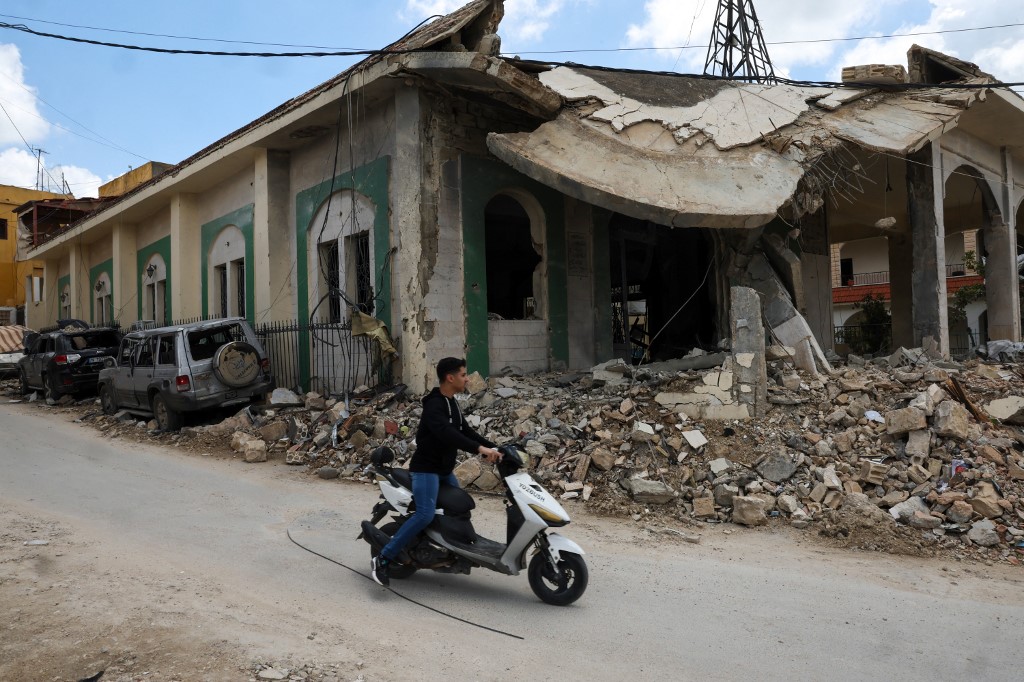
Despite the announcement of a ceasefire, clashes have persisted across the Lebanese-Israeli border, with Hezbollah launching drone and missile attacks against Israeli forces. The party has stated that it will not rely on what it describes as "failed diplomacy," indicating that Israeli military activities during the truce, including airstrikes, demolitions, and artillery shelling, will be met with resistance.
Since the first day of the truce, Israeli fire has continued, prompting Hezbollah to respond after several days of tension. Residents of southern Lebanon have described the situation as a "ceasefire in name only," as fire exchanges between the two sides continue.
Details of the Incident
At a time when calm is expected to prevail, reports have shown that Hezbollah has carried out offensive operations against Israeli forces, reflecting the instability of the security situation in the region. The party has indicated that it will not hesitate to respond to any Israeli aggression, emphasizing its readiness to confront any escalation.
It is noteworthy that the current truce has been extended for an additional three weeks, but this extension seems to have failed to achieve its intended goal of establishing peace. In contrast, Israel continues to carry out its military operations, increasing tensions in the area.
Background & Context
Historically, the Lebanese-Israeli border has witnessed ongoing tensions, with this area considered a flashpoint for armed conflicts. Since 2006, when a war broke out between Hezbollah and Israel, clashes have not ceased entirely but have recurred intermittently. The political and economic conditions in Lebanon have exacerbated these tensions, as the country suffers from multiple crises.
Furthermore, the Israeli-Palestinian conflict has a direct impact on the situation in Lebanon, where Hezbollah considers itself part of the resistance axis against Israeli occupation. This historical context reflects the complexities of the current situation and complicates efforts to reach lasting solutions.
Impact & Consequences
Clashes across the border continue to affect regional security, contributing to heightened tensions among neighboring countries. The ongoing military operations could lead to greater escalation, threatening the stability of Lebanon and the region as a whole. Many observers have warned that any escalation could lead to the outbreak of a new war in the area.
Additionally, the humanitarian situation in Lebanon may be adversely affected due to these clashes, as residents suffer from the repercussions of economic and social crises. Continued violence could worsen living conditions, increasing the suffering of citizens.
Regional Significance
The current events in Lebanon are part of the larger picture of conflicts in the Arab region. The tensions between Hezbollah and Israel could impact relations among Arab states, especially those seeking peace with Israel. Furthermore, ongoing violence may hinder reconciliation efforts in the region.
In conclusion, the situation in Lebanon remains a focal point for the world, as everyone watches the developments and what the future may hold. The continued exchange of fire reflects significant challenges facing the region and underscores the urgent need for peace and stability.