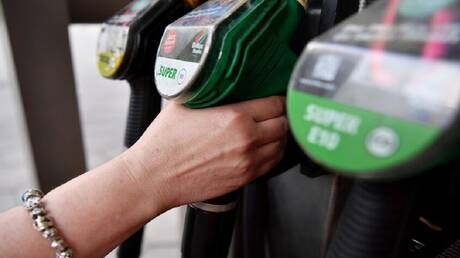
Gas stations in France are facing a severe shortage of various fuel types, with reports indicating that around 20% of stations are lacking at least one type of fuel. This shortage comes at a critical time as tensions in the Middle East escalate, directly affecting global energy supplies.
Concerns are growing among French citizens regarding fuel availability, especially with winter approaching, which typically requires an increase in energy consumption. Studies have shown that this shortage could lead to significant congestion at the remaining stations that still offer fuel, adding further anxiety for consumers.
Details of the Fuel Crisis
According to media reports, some of the most affected areas include major cities like Paris and Marseille, where stations have reported shortages of both gasoline and diesel. This situation could worsen if tensions in the Middle East continue, as France heavily relies on energy supplies from this region.
Attention is now turning to the French government, which is under increasing pressure to intervene and resolve this crisis. Some officials have stated that they are working to secure additional fuel supplies, but logistical challenges may hinder these efforts.
Background & Context
Historically, France has experienced similar fuel supply crises, particularly during periods of political and economic turmoil in the Middle East. These crises often lead to price increases and heightened social tensions. In recent years, there have been attempts to improve the country's energy infrastructure, but these efforts have not been sufficient to address sudden crises.
Global energy markets are significantly affected by political events in the Middle East, as this region is a major source of oil. Any escalation in conflict can lead to substantial price fluctuations, impacting importing countries like France.
Impact & Consequences
The fuel shortage in France serves as a wake-up call for both the government and citizens alike. The current crisis could lead to price hikes, placing an additional burden on households already grappling with rising living costs. Furthermore, this crisis may impact the French economy as many sectors depend on stable fuel supplies.
This crisis is likely to prompt calls for increased investment in alternative energy sources, as the world seeks to reduce dependence on fossil fuels. It could serve as an opportunity to stimulate discussions about sustainable energy in France and Europe as a whole.
Regional Significance
The ongoing fuel crisis highlights France's significant reliance on energy supplies from the Middle East and the impact of political events on the local economy. As tensions rise, the need for a more resilient energy strategy becomes increasingly apparent.
In conclusion, addressing this fuel shortage is crucial not only for immediate consumer needs but also for the long-term energy security of France. The government’s response will be closely monitored as citizens await solutions to this pressing issue.