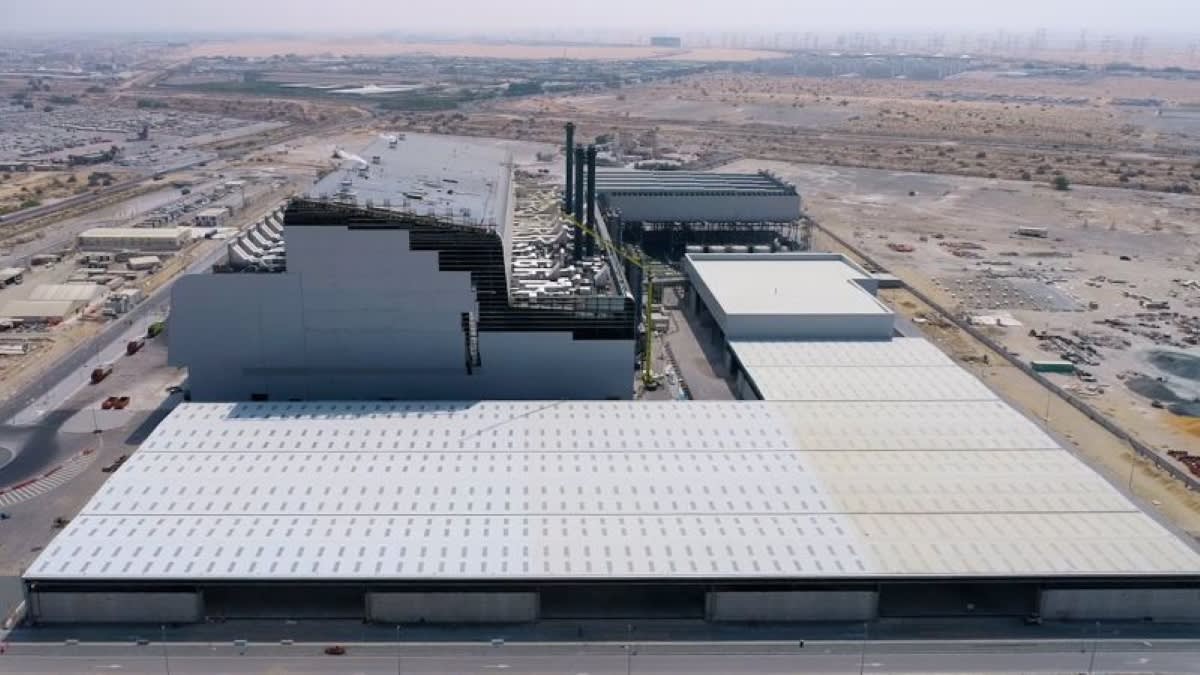
Indonesia's waste issue is a pressing concern that extends beyond mere environmental challenges, as the country aims to convert this waste into alternative energy. In recent years, the accumulated waste has been estimated at around 35 million tons annually, prompting the government to explore its potential as an energy source.
In this context, the Indonesian government's efforts through the Investment Bank (BPI) Dia Anagata Nusantara (Danantara) represent a significant step towards establishing large-scale Waste-to-Electricity Plants (PSEL). Some regions, such as Banjoemas Regency in Central Java, are working to develop community management models that leverage alternative energy such as Refuse-Derived Fuel (RDF).
Details of the Initiatives
These initiatives were discussed during the ISEI Industry Matching forum held at the Bank Indonesia Office in Banjoemas, where the topic of waste-to-energy conversion was addressed as part of sustainable solutions to environmental challenges.
The government aims to strengthen partnerships with the private sector to scale up these projects and achieve sustainable development goals.
Background & Context
These efforts come as part of Indonesia's commitment to reducing carbon emissions and enhancing energy security, as the country faces significant challenges in waste and energy management.
Impact & Consequences
If these initiatives succeed, they could significantly improve environmental quality and reduce reliance on traditional energy sources, thereby enhancing Indonesia's capacity to address environmental and energy challenges.
Regional Significance
Moreover, the transition to waste-to-energy solutions could serve as a model for other countries facing similar waste management issues, showcasing Indonesia's leadership in sustainable energy practices.
In conclusion, the government's proactive approach in addressing waste management through energy conversion not only aims to tackle local environmental issues but also positions Indonesia as a key player in the global shift towards sustainable energy solutions.