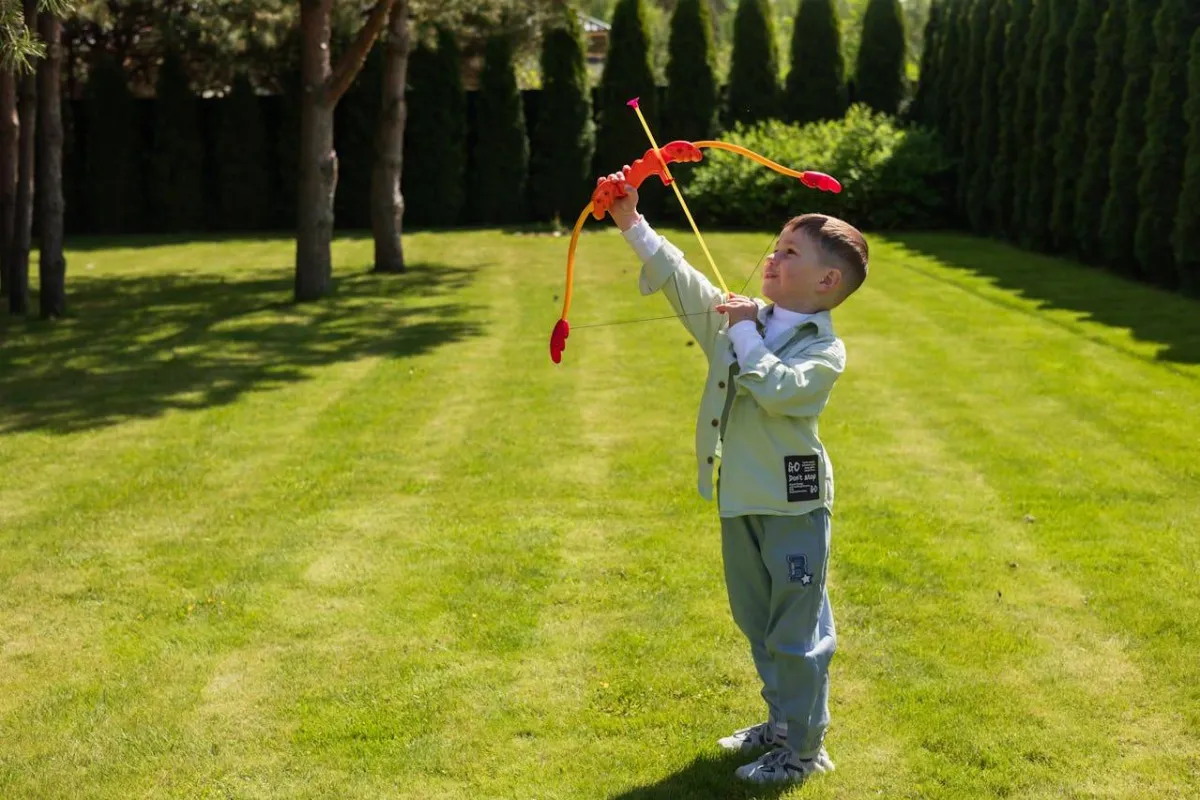
Early childhood is the cornerstone of human personality development, as children begin to acquire life skills that extend beyond academic learning, encompassing psychological, social, and behavioral aspects.
Education experts emphasize that what children learn during this stage directly impacts their ability to adapt, build relationships, and make decisions in the future. In this report, we will explore the eight essential life skills that children acquire at a young age, highlighting their importance in fostering a balanced personality.
Details of Life Skills
From their earliest years, children learn how to express their thoughts, feelings, and needs, whether through speech, gestures, or facial expressions. Over time, they develop their ability to listen to others and understand them, which enhances their dialogue skills. Effective communication not only helps in building healthy relationships but also alleviates tantrums and misunderstandings, as it provides children with clear tools to express themselves.
Children face simple daily situations that require them to think, such as how to assemble a toy or resolve a disagreement with a friend. These experiences enhance their ability to analyze situations and seek solutions. With parental support, children learn that failure is part of learning and that they can try again in different ways, fostering critical thinking and flexibility.
Through simple choices in daily life, such as selecting clothes or food, children begin to learn how to make decisions. This skill enhances their sense of independence and helps them understand the consequences of their choices. Over time, they become more capable of making informed decisions rather than relying entirely on others.
Despite their young age, children can start to grasp the concept of time through daily routines, such as sleep, play, and study schedules. This organization helps them develop self-discipline and reduces chaos and stress. Children who learn to manage their time early on are better equipped to balance responsibilities and various activities in later stages.
Playing with others provides children with the opportunity to learn cooperation, sharing, and respect for rules. They learn how to wait their turn and succeed as part of a team, not just individually. These social skills are essential in school and later in professional life, where teamwork becomes an integral part of success.
Children learn to recognize their emotions, such as joy, sadness, and anger, and how to express them appropriately. They also begin to understand the feelings of others and empathize with them. This type of emotional intelligence helps them build healthy relationships, reduces aggressive behaviors, and enhances their ability to cope with stress.
Children are exposed to new situations, such as starting school or moving to a different environment, which requires them to adapt. These experiences teach them resilience and the ability to handle change without excessive fear. Children who acquire this skill early become more capable of facing future challenges.
Every small achievement a child makes, whether learning a new skill or completing a simple task, contributes to building their self-confidence. Support and encouragement from parents play a pivotal role in this aspect. A confident child is more prepared to embark on new experiences without hesitation.
Background & Context
The skills acquired during early childhood are crucial for shaping a child's personality, as they influence their behaviors and relationships in the future. Enhancing these skills contributes to building a generation capable of adapting to challenges.
In a rapidly changing world, the importance of these life skills cannot be overstated. As children grow, the foundation laid during their early years will determine their ability to navigate complexities in personal and professional relationships.
Impact & Consequences
The development of life skills in early childhood has long-lasting effects on children's lives. Children who master these skills are more likely to succeed academically and socially, leading to better opportunities in adulthood.
Moreover, fostering these skills can reduce behavioral issues and promote mental well-being, creating a healthier society overall. As children learn to communicate effectively and manage their emotions, they contribute positively to their communities.
Regional Significance
In many cultures, early childhood education is gaining recognition for its role in holistic development. Communities that prioritize these skills are likely to see improvements in social cohesion and economic stability.
Investing in early childhood education and skill development is not just beneficial for individual children but for society as a whole, as it prepares a generation that can contribute meaningfully to the future.