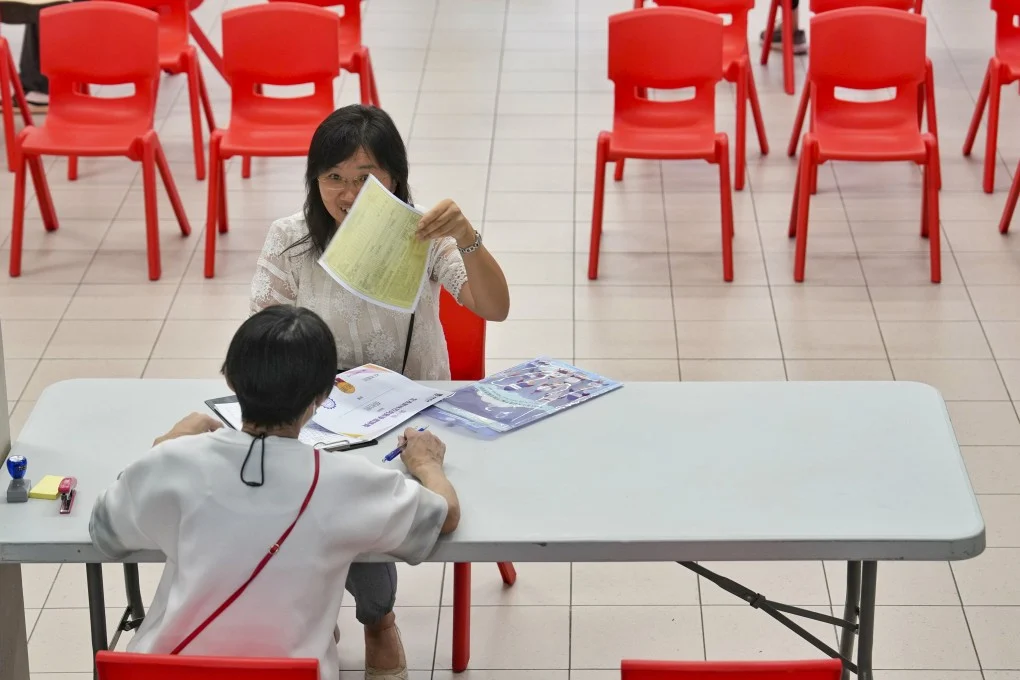
Recent data shows that around 86% of children applying for places in public primary schools in Hong Kong have received one of their top three choices through the central allocation system. This figure is the highest ever recorded, rising from about 79% last year, while the number of applicants has dropped by 16% to 16,345, marking the largest recorded decline.
Despite these positive figures, a representative from the Primary School Council warned that competition for discretionary places, also known as "doorway methods," is unlikely to diminish. They noted that some parents who were unable to secure spots for their children in preferred schools may resort to alternative methods for admission.
Details of the Event
These statistics come at a time when the education system in Hong Kong is undergoing significant changes. With a growing population, securing places in primary schools has become highly competitive. However, the decline in the number of applicants may indicate shifts in family trends or even in educational policy.
This trend demonstrates an increasing concern among parents regarding the quality of education in public schools, which may drive them to seek alternative educational options. Economic and social changes may also play a role in this trend.
Background & Context
Historically, Hong Kong has been known for its strong educational system, with public schools holding a prestigious position. However, increasing economic and social pressures have affected parental choices. In recent years, Hong Kong has experienced demographic changes that have impacted the education system.
Competition for places in primary schools is part of the educational culture in Hong Kong, where parents strive to secure the best opportunities for their children. Nevertheless, the current decline in the number of applicants may signal broader changes within society.
Impact & Consequences
This trend could have far-reaching effects on the education system in Hong Kong. If the decline in the number of applicants continues, it may lead to a reassessment of educational policies and resource allocation. This could also impact the quality of education in public schools, as schools may have to adapt to fewer students.
Moreover, this situation may increase pressure on private schools, as parents seek alternative options. This could lead to rising educational costs, which may affect low-income families.
Regional Significance
While the situation in Hong Kong may seem distant from the Arab region, there are lessons to be learned. Education is one of the most critical issues in any society, and changes in the education system can affect social and economic development. In Arab countries, where pressures on education systems are increasing, these figures could serve as a warning about the importance of investing in public education.
In conclusion, the current situation in Hong Kong serves as an indicator of the challenges facing education systems worldwide. Arab countries should learn from these experiences to ensure high-quality education for all children.