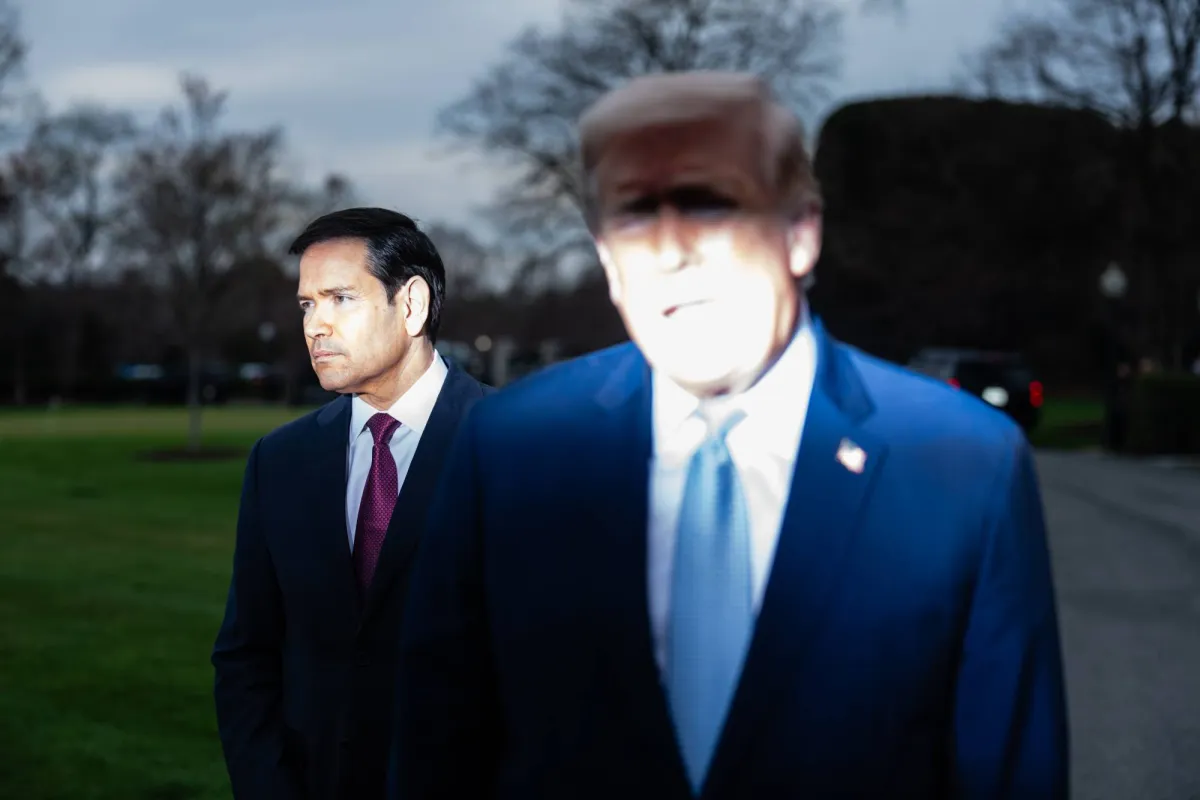
The implications of U.S. foreign policy are evident in Secretary of State Marco Rubio's absence from the U.S.-Iran talks, which is seen as a sign of his dual role and influence in President Donald Trump's administration. While former Secretary John Kerry represented the United States in nuclear negotiations with Iran, Rubio prefers to stay within the U.S., raising questions about the effectiveness of American diplomacy.
Despite multiple crises in the Middle East, Rubio has not visited the region since last October, as he has been occupied with his various roles. In contrast, current Secretary of State Antony Blinken has made several overseas trips, highlighting the gap in diplomatic activity between the officials. While Rubio fulfills his responsibilities as Secretary of State, he also serves as National Security Advisor, a role that requires a high level of focus on security issues.
Details of the Event
The Iran talks come at a sensitive time, with an Iranian delegation expected to meet their American counterparts in Pakistan. However, Rubio's absence from these discussions reflects the Trump administration's tendency to delegate diplomatic responsibilities to others, such as his son-in-law Jared Kushner and friend Steve Witkoff. This trend raises concerns about the effectiveness of American diplomacy in addressing complex issues in the region.
Rubio, who holds both the Secretary of State and National Security Advisor positions, is the first person to occupy both roles since Henry Kissinger. This combination of roles demonstrates his influence with Trump, allowing him to remain close to the president at a time when security issues require swift decision-making.
Background & Context
Historically, U.S. Secretaries of State have led diplomacy on major issues, such as arms control treaties and Israeli-Palestinian agreements. However, the Trump administration has taken a different approach, assigning other individuals key diplomatic tasks. This shift reflects a change in how U.S. foreign policy is managed and raises questions about the effectiveness of this approach in achieving strategic goals.
These developments coincide with rising tensions in the Middle East, where multiple crises demand active and effective diplomacy. However, Rubio's absence from the talks suggests that the Trump administration may be less interested in direct engagement with regional issues.
Impact & Consequences
Rubio's absence from diplomatic talks affects the United States' ability to influence events in the Middle East. This absence could weaken Washington's position in negotiations, especially given complex issues such as the Iranian nuclear program and the war in Ukraine.
Additionally, the combination of the Secretary of State and National Security Advisor roles may lead to overlapping responsibilities, potentially undermining the effectiveness of the State Department. Many diplomats express concern that this arrangement could negatively impact the United States' ability to manage its diplomacy effectively.
Regional Significance
Arab countries are directly affected by U.S. foreign policy trends, particularly amid the multiple crises in the region. Rubio's absence from the talks may reinforce Arab nations' perception that the United States is not committed to engaging with their issues effectively.
This situation could also enhance the role of other regional powers, complicating the political landscape and increasing tensions. Under these circumstances, Arab countries need to reassess their strategies in dealing with U.S. policy.
In conclusion, Rubio's absence from the U.S.-Iran talks highlights the challenges facing U.S. foreign policy at present. While Trump seeks to maintain his influence, the increasing challenges in the Middle East require active and effective diplomacy.