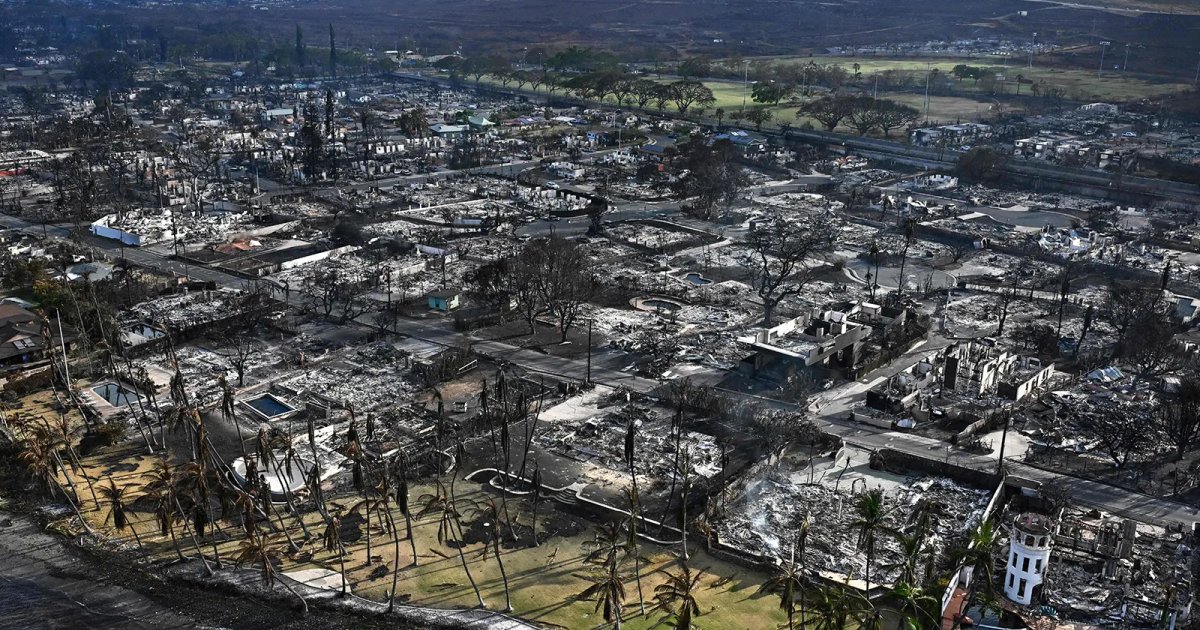
The United States is currently experiencing a wave of devastating wildfires this April, with flames raging in the states of Georgia, Florida, California, and Texas, revealing a hefty economic cost related to damage to homes, railways, and energy sites. As the fires escalate, evacuation efforts in the affected regions are intensifying, raising concerns about the safety of residents.
The wildfires sweeping through these states serve as a stark reminder of the impact of climate change on the environment, as hot weather conditions and drought exacerbate the situation. Reports indicate that these fires could lead to losses estimated in the billions of dollars, adding further pressure on the American economy.
Event Details
Reports indicate that the fires have erupted in multiple areas, resulting in the evacuation of thousands of residents. In Georgia, forest fires have been reported that have destroyed vast tracts of land. Meanwhile, in Florida, strong winds have caused the flames to spread rapidly, making it difficult to control them. In California, where wildfires have become a recurring issue, emergency plans have been activated to address this disaster.
In Texas, some major roads have been closed due to the fires, affecting traffic and supplies. Local authorities have shown a swift response, deploying firefighting teams from various states to assist in controlling the flames.
Background & Context
Wildfires are part of an annual pattern in the United States, but recent climate changes have intensified their severity. According to experts, rising temperatures and changing rainfall patterns contribute to an increased likelihood of fire outbreaks. In recent years, there has been a noticeable increase in the number of destructive fires, raising concerns about the authorities' ability to effectively manage these disasters.
Historically, the United States has suffered from seasonal wildfires, but climate change has made this phenomenon more severe. In recent years, the country has witnessed unprecedented fires, resulting in loss of life and destruction of property.
Impact & Consequences
The ramifications of these wildfires extend beyond immediate damage, impacting both local and national economies. Financial losses could be estimated in the billions of dollars, affecting small and medium-sized businesses that rely on tourism and agriculture. Additionally, the environmental impacts will be long-lasting, as the fires will destroy natural habitats and degrade air quality.
Moreover, these wildfires place pressure on emergency services and government resources, necessitating additional investments in disaster response infrastructure. The psychological impact on affected residents will also be significant, as many suffer the loss of their homes and loved ones.
Regional Significance
While the wildfires in the United States may seem to have no direct impact on the Arab region, the climate changes resulting from these phenomena could affect global climate patterns. Increased temperatures and drought in various parts of the world may exacerbate environmental crises in Arab countries, where many nations are already suffering from water shortages and rising temperatures.
Furthermore, the American experiences in combating wildfires may provide valuable lessons for Arab nations facing similar challenges in managing natural disasters. Arab countries can benefit from the prevention and response strategies developed in the United States.
In conclusion, the wildfires currently striking the United States highlight the urgent need for effective action to address climate change. International cooperation is required to tackle these environmental challenges that affect everyone.