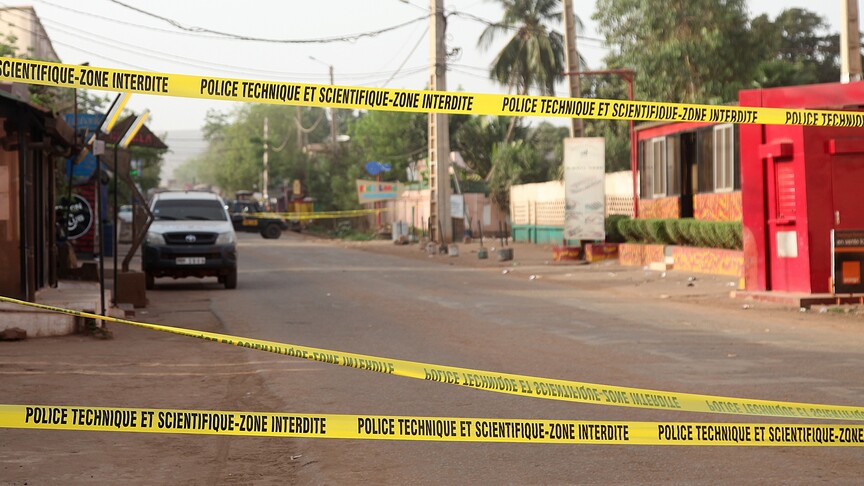
This morning, violence broke out in Mali, with the capital Bamako and nearby towns such as Kati and Ségou experiencing intense clashes. The situation is particularly sensitive as the country faces escalating political and security tensions, raising concerns about regional stability.
Reports indicate that the clashes began in the early hours of the morning, with gunfire heard in several areas. The exact causes of these clashes remain unclear, but they are believed to be linked to ongoing conflicts between armed groups and government forces.
Details of the Clashes
Fighting continues in Bamako, where security forces are attempting to regain control of the situation. Local sources have reported chaos and panic among residents seeking shelter. Civilian injuries have also been reported, complicating the humanitarian situation in the country.
In northern regions like Gao and Kidal, armed groups continue to launch attacks on government positions, reflecting a rise in violence in these areas. The Malian government faces significant challenges in re-establishing control over these historically conflict-ridden regions.
Background & Context
Mali has suffered from political and security instability since 2012, when a rebellion in the north led to armed groups seizing large parts of the country. Despite international and local efforts to restore stability, the situation remains fragile, with armed groups continuing to carry out attacks against government forces and civilians.
The ongoing violence is a stark reminder of the challenges facing Mali as it struggles to maintain order and protect its citizens from the threats posed by various militant factions.
Impact & Consequences
These events significantly affect the security situation in Mali, potentially exacerbating humanitarian crises. With an increasing number of internally displaced persons and refugees, the international community faces substantial challenges in providing necessary aid. Additionally, the deteriorating security situation may impact foreign investments and tourism, further burdening the country's economy.
As violence escalates, the risk of a broader humanitarian disaster looms, making it imperative for both local and international stakeholders to address the root causes of the conflict and work towards a sustainable resolution.
Regional Significance
The unfolding events in Mali are indicative of rising security tensions in the Sahel region, which calls for urgent attention from the international community. The implications of this violence extend beyond Mali's borders, potentially destabilizing neighboring countries and affecting regional security.
In conclusion, the situation in Mali serves as a critical reminder of the need for concerted efforts to restore peace and stability in the region, as the consequences of inaction could be dire for both Mali and its neighbors.