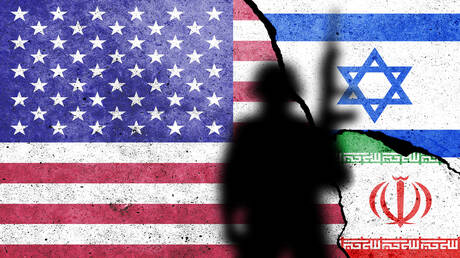
A political analyst in the Hebrew newspaper 'Maariv' has confirmed that Iran has not been affected by the strategies employed by U.S. President Donald Trump. On the contrary, it appears that the U.S. administration and Israeli Prime Minister Benjamin Netanyahu have fallen into the trap of these policies.
The analyst points out that Trump, through his hostile approach towards Iran, has not achieved the desired objectives but has instead contributed to strengthening Tehran's regional position. Iran has demonstrated an ability to adapt to U.S. pressures, reflecting the strength of its strategy in facing challenges.
Details of the Event
These statements come at a sensitive time, as tensions between Iran and the United States escalate, especially following Trump's withdrawal from the nuclear agreement in 2018. This withdrawal led to the imposition of severe economic sanctions on Iran, but the analyst believes these sanctions have not been as effective as anticipated.
Rather than weakening Iran, these policies have contributed to enhancing internal unity within the country, with increased popular support for the Iranian regime in the face of external pressures. Additionally, Tehran has been able to develop its military and technological capabilities, making it more capable of confronting challenges.
Background & Context
Historically, relations between Iran and the United States have been tense, especially following the Islamic Revolution in 1979. Since then, the U.S. has pursued a policy of pressure on Iran, but this policy has not yielded the desired results. On the contrary, it has contributed to strengthening Iran's regional position and increasing its influence in the region.
In recent years, the region has witnessed significant changes, with Iran becoming a key player in regional conflicts, such as those in Syria and Iraq. These dynamics make it difficult for the United States and its allies to achieve their goals of containing Iranian influence.
Impact & Consequences
These analyses are of great importance for understanding the current situation in the Middle East. The tensions between Iran and the United States could lead to an escalation of conflict in the region, affecting security and stability in the Gulf Arab states.
Moreover, the failure of U.S. policies to contain Iran may prompt some countries to reassess their strategies in dealing with Tehran, potentially leading to new alliances in the region. These dynamics could contribute to changing the balance of power in the Middle East.
Regional Significance
For Arab countries, the rise of Iranian influence represents a significant challenge. Iran seeks to enhance its presence in Iraq, Syria, and Lebanon, raising concerns among some Arab nations about its impact on their national security.
In light of these circumstances, Arab countries must take strategic steps to address the challenges posed by Iran. This may require strengthening security and economic cooperation among Arab states, in addition to seeking diplomatic solutions to regional tensions.
In conclusion, the analysis provided by the political analyst in 'Maariv' highlights the importance of understanding regional dynamics more deeply. The challenges faced by countries in the region require new and innovative strategies to address them.