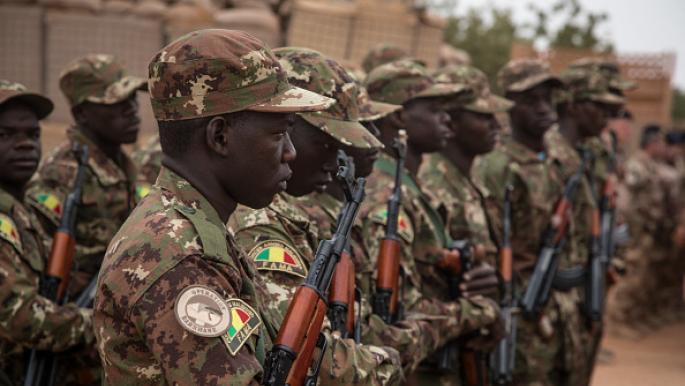
The Malian army has regained control of the capital Bamako after repelling a violent attack launched by militants from the 'Support for Islam' group. This attack, which occurred in recent days, resulted in fierce clashes in several areas of the city, leading to chaos and concern among residents.
These events come at a time when the Malian army is facing significant challenges in combating armed groups that continue to threaten the country's security and stability. The General Staff of the army has confirmed that military operations are ongoing to secure the capital and its surroundings.
Details of the Attack
The attack carried out by militants from the 'Support for Islam' group was well-coordinated, targeting strategic points in Bamako. Reports indicated that the militants used advanced weaponry, which intensified the clashes. However, Malian forces managed to regain control after hours of fighting.
In the aftermath of the attack, the Malian government issued a statement reaffirming its commitment to fighting terrorism and enhancing security in the country. It also called on the international community to support its efforts in combating extremism and violence.
Background & Context
Historically, Mali has seen a rise in armed group activity since 2012, when extremist groups seized northern territories. Since then, the country has suffered from political and security instability, leading to multiple international interventions.
Bamako, the capital, is a vital center for politics and economics in Mali, and any threat to it directly impacts the country's stability. In recent years, the city has experienced several terrorist attacks, increasing fears among citizens.
Impact & Consequences
Regaining control of Bamako reflects the Malian army's ability to confront security challenges, but it also highlights the urgent need for comprehensive reforms in the security sector. The challenges facing the country are not limited to the military aspect but also encompass social and economic dimensions.
The potential repercussions of this event may affect relations between Mali and neighboring countries, as instability in Mali could lead to an influx of refugees and increased activity of armed groups in the region.
Regional Significance
This development in Mali underscores the security challenges faced by many Arab and African nations. Armed conflicts and political instability can lead to the spread of extremism and violence in other areas.
Moreover, the situation in Mali may impact peace and security efforts in the Sahel region, where many countries are collaborating to combat terrorism and promote stability. Thus, events in Bamako remain a significant concern for the international community.