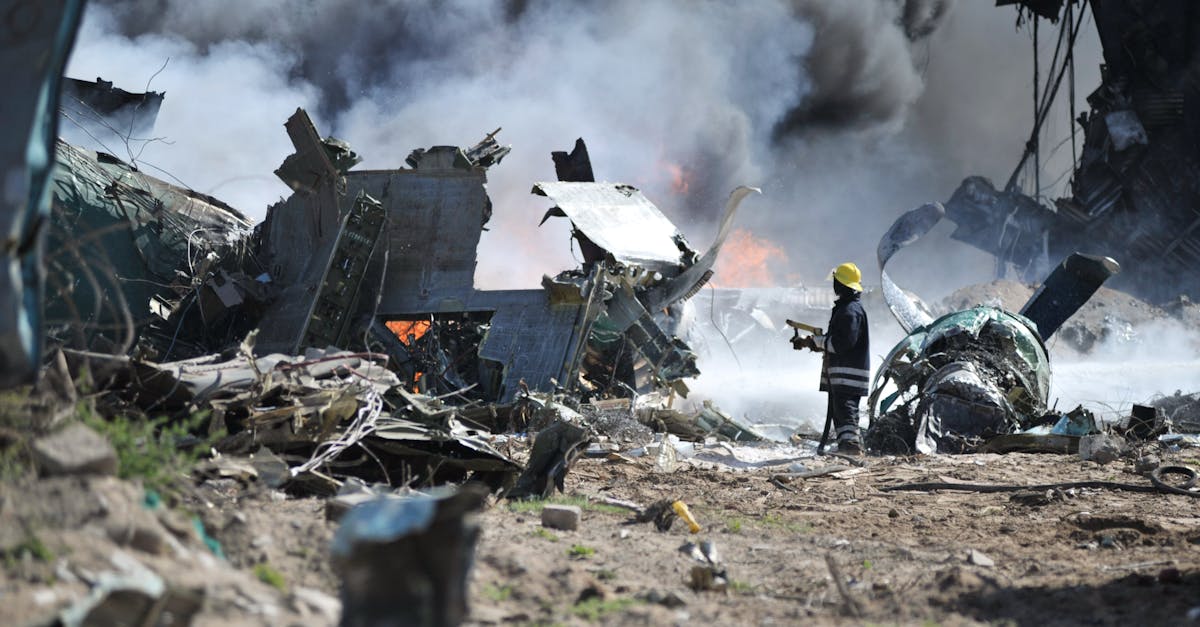
Israeli warplanes launched strikes on several locations in southern Lebanon on Saturday night, according to a correspondent from Sky News Arabia. These attacks are part of an escalating military confrontation between Israel and Hezbollah, with tensions intensifying in recent months.
The Israeli airstrikes are targeting sites believed to be associated with Hezbollah, aiming to diminish its military capabilities. Local sources reported significant material damage from the strikes, but immediate reports of casualties have not been confirmed.
Details of the Event
These airstrikes are considered part of a broader Israeli strategy aimed at countering security threats posed by armed groups in Lebanon. Such attacks have become more frequent in recent months, reflecting the increasing tensions in the region.
The developments come at a sensitive time, as the region is experiencing heightened political and military tensions, particularly with the ongoing conflict in Syria and its repercussions on Lebanon. Observers have noted that these airstrikes could lead to further escalation in the conflict between Israel and Hezbollah.
Background & Context
Historically, the Lebanese-Israeli border has witnessed numerous armed conflicts, with Hezbollah being one of the most prominent armed groups in the region. The party was established in the 1980s in response to the Israeli occupation and has since become a key player in Lebanese politics.
In recent years, Hezbollah's military activities have increased, prompting Israel to take preemptive measures. The region has seen several rounds of escalation, making the security situation increasingly fragile.
Impact & Consequences
The Israeli airstrikes underscore the deteriorating security situation in the region and may provoke responses from Hezbollah, increasing the likelihood of escalation. Additionally, these events could impact relations between Lebanon and Israel, complicating the political landscape in the area.
Moreover, these airstrikes may affect the humanitarian situation in Lebanon, where residents are already suffering from the effects of ongoing conflict. Any military escalation could exacerbate humanitarian conditions, necessitating international intervention.
Regional Significance
The events in southern Lebanon are part of a larger picture involving conflicts in the Middle East. The escalation between Israel and Hezbollah has direct implications for regional security and could affect neighboring countries such as Syria and Palestine.
These developments may also raise concerns among other Arab nations seeking stability in the region. Any escalation could lead to political and economic repercussions for neighboring countries, calling for a response from the international community.
The Israeli airstrikes on southern Lebanon reflect a growing escalation in military tensions, warranting close monitoring by the international community. The situation in the region requires an urgent political solution to avoid further escalation.