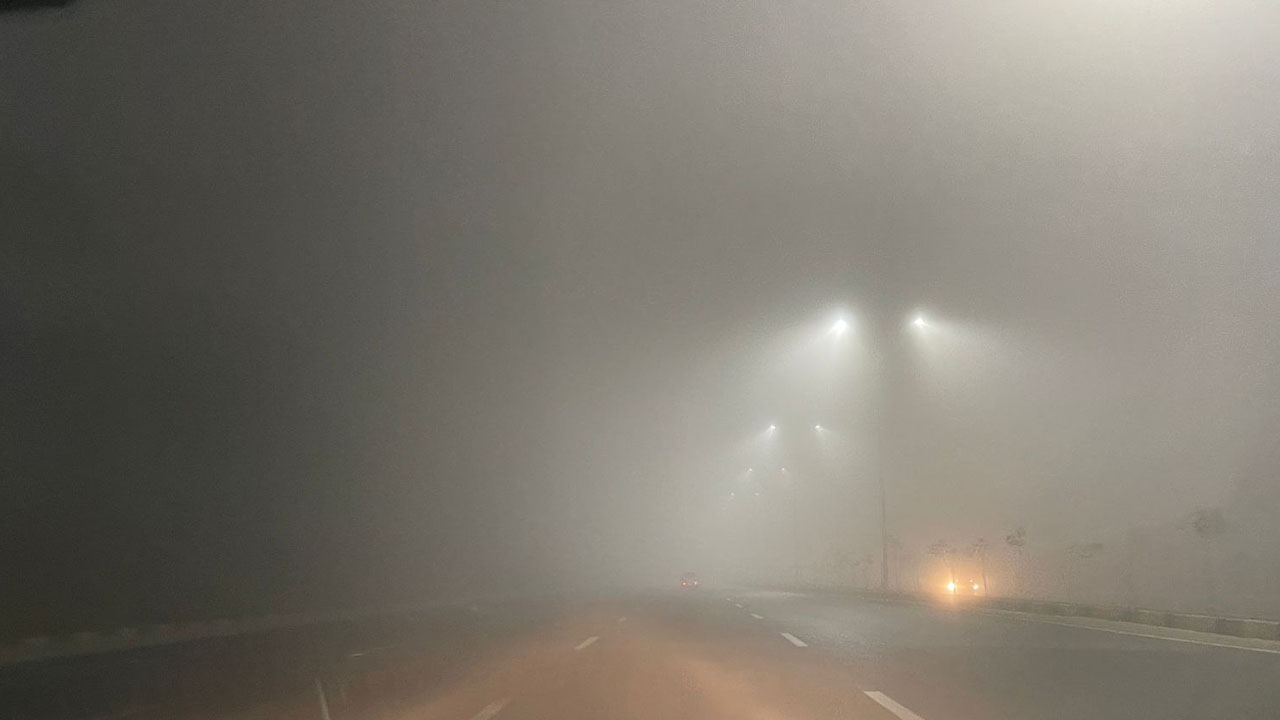
Islamabad, the capital of Pakistan, is experiencing a thick fog that has enveloped the city since this morning, significantly impacting visibility on the streets. Local authorities have issued warnings to drivers to exercise caution while driving, as visibility has dropped to dangerous levels in some areas.
The fog covering the city is a result of the weather fluctuations that the country is experiencing at this time of year, where low temperatures and high humidity contribute to fog formation. Reports indicate that visibility on some major roads has decreased to less than 50 meters, increasing the risk of accidents.
Traffic Conditions and Measures Taken
Traffic in Islamabad has been notably affected, with many roads experiencing severe congestion due to accidents caused by the fog. The traffic department has closed some major roads as a precautionary measure, exacerbating the traffic crisis in the city. Police teams have been deployed to manage traffic flow and assist stranded drivers.
At the same time, citizens have been warned to only go out if absolutely necessary, as the fog may persist for several days, according to weather forecasts. Experts have noted that this phenomenon is not new to Islamabad, but it occurs more frequently during the winter season.
Background & Context
Islamabad is considered one of the quietest capitals in the world, yet it faces increasing challenges due to climate change. Dense fog is a direct result of air pollution that many major cities in Pakistan suffer from. Studies have shown that air pollution in Islamabad has significantly increased in recent years, contributing to worsening visibility issues.
Historically, Pakistan has experienced foggy winters, but current climate changes have intensified this phenomenon. These changes have impacted the daily lives of citizens, as traffic accidents have become more common during these periods.
Impact & Consequences
The effects of the dense fog extend beyond Islamabad, potentially impacting air transport as well. Many flights have been delayed due to poor weather conditions, causing confusion for travelers. The economic impacts may also be noticeable, as traffic congestion can lead to delays in business operations and transportation.
On a health level, air pollution and fog can exacerbate respiratory issues among individuals, especially among vulnerable groups such as children and the elderly. Therefore, this phenomenon requires a swift response from authorities to improve air quality and reduce health risks.
Regional Significance
The dense fog situation in Islamabad serves as a reminder of the importance of addressing climate change and air pollution issues, which also affect many countries in the Arab region. Many Arab cities face similar problems, necessitating regional cooperation to tackle these challenges.
In conclusion, authorities in Islamabad must take effective steps to mitigate the impacts of the dense fog, including improving transportation infrastructure and raising public awareness about traffic safety. International cooperation in environmental matters could play a significant role in addressing these issues.