U.S. President Donald Trump is confronted with substantial challenges in his pursuit of a comprehensive agreement with Iran, necessitating him to address the repercussions of his withdrawal from the nuclear deal established during former President Barack Obama's administration. This agreement, which was annulled nearly five years ago, aimed to limit Iranian nuclear activities but left profound impacts on the nuclear landscape in the region.
Following Trump's withdrawal from the agreement in 2018, Iran significantly increased its uranium enrichment levels, bringing it closer to the capability of producing a nuclear weapon. Recent reports indicate that Iran has a stockpile estimated at 11 tons of uranium, enabling it to manufacture up to 100 nuclear weapons, far exceeding Israel's nuclear arsenal.
Details of the Situation
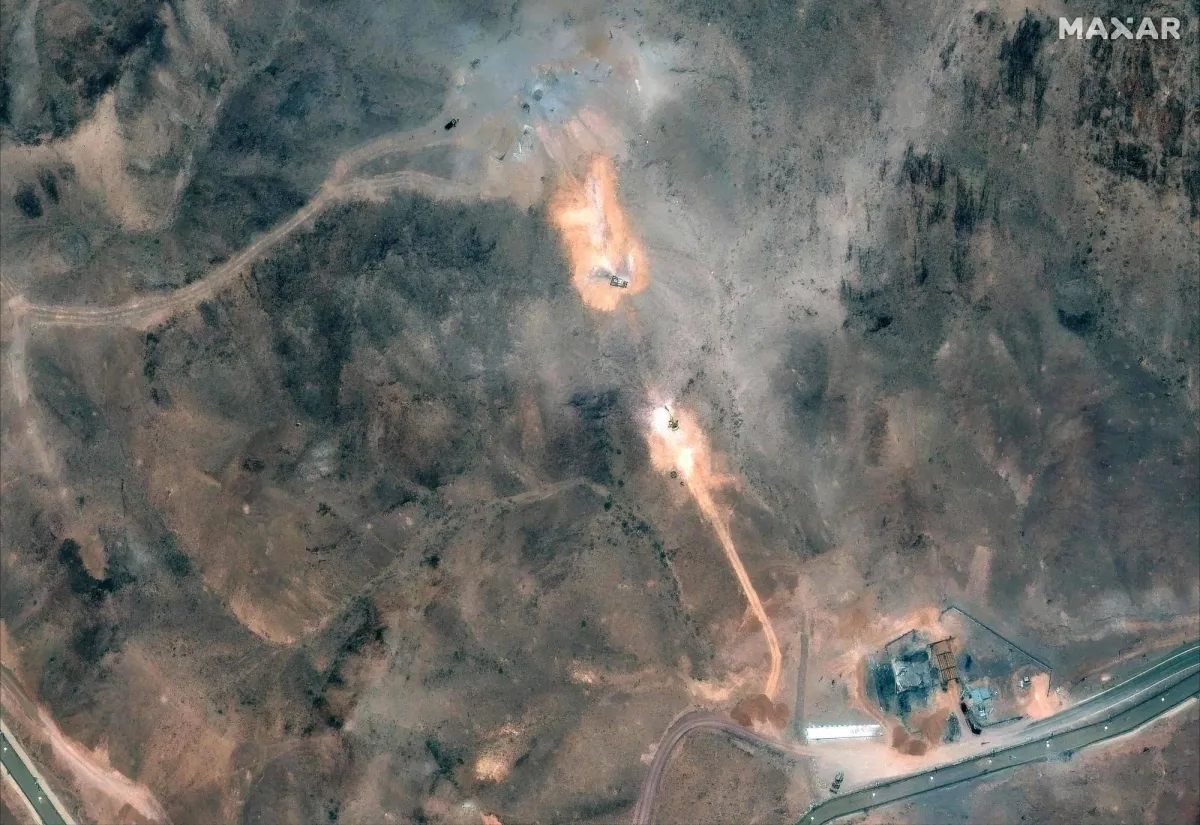
International concerns regarding Iran's nuclear program are escalating, especially after international inspectors indicated that Iran possesses around 440 kilograms of uranium enriched to levels close to those used in nuclear weapon production. This quantity has been stored in a tunnel complex that was bombed by U.S. forces.
Simultaneously, Trump's efforts, along with his negotiators Jared Kushner and Steve Mnuchin, are focused on finding solutions to limit Iran's ability to rebuild its missile arsenal, an issue not addressed in the previous agreement. Trump is also seeking to protect anti-regime protesters in Iran, whom he promised to assist earlier.
Background & Context
The roots of the current crisis trace back to Trump's decision to withdraw from the nuclear deal, which aimed to reduce tensions between Iran and the West. The previous agreement imposed restrictions on Iran's uranium enrichment, but after the withdrawal, Iran began exceeding these limits, exacerbating the crisis.
In the years following the withdrawal, Iran has significantly increased its uranium stockpile, placing it in a strong position in the current negotiations. Experts have noted that Iran still retains the capability to produce nuclear weapons if it chooses to do so, despite international pressures and sanctions imposed on it.
Impact & Consequences
These developments pose a significant challenge to U.S. foreign policy, as Trump aims to present a better agreement than its predecessor. However, any new agreement must include stringent conditions to ensure that Iran cannot develop nuclear weapons.
On the other hand, these negotiations could impact regional stability, as fears grow of escalating tensions between Iran and the United States, potentially leading to military escalation in the region. Furthermore, any agreement reached by the two sides will affect relations between Iran and neighboring Arab states, which are concerned about Iranian nuclear threats.
Regional Significance
Neighboring Arab countries, such as Saudi Arabia and the UAE, are among the most affected by Iran's nuclear developments. Any progress in Iran's nuclear program could prompt these countries to bolster their military capabilities, heightening tensions in the region.
At the same time, Arab nations are closely monitoring the outcomes of the negotiations between Iran and the United States, as any agreement could alter the balance of power in the region. With increasing economic and political pressures, these countries may find themselves compelled to take proactive measures to protect their interests.
In conclusion, nuclear negotiations with Iran remain one of the most complex issues in international politics, intertwining national interests and regional security. As tensions continue, hope remains for reaching an agreement that achieves stability in the region and mitigates nuclear threats.