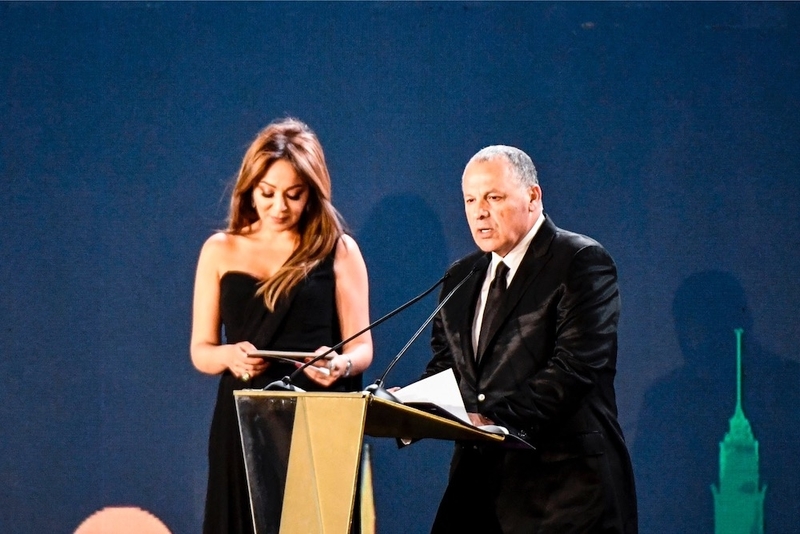
Hani Abu Rida, the president of the Egyptian Football Association, confirmed during a press conference held in Cairo that the association does not intervene in referee appointments, highlighting the significance of refereeing independence in local competitions. This statement comes at a sensitive time when the sports arena is witnessing controversy over referees' performances in matches.
Abu Rida added that the association aims to enhance trust between fans and referees, asserting that any appointments are made based on objective criteria aimed at improving refereeing standards. He explained that there are specialized committees working to evaluate referees' performances regularly.
Event Details
Abu Rida pointed out that the Egyptian Football Association is working on developing the refereeing system, having brought in international experts to provide technical support and training for referees. He also confirmed that there are future plans to implement modern technologies such as the Video Assistant Referee (VAR) system in local matches.
These statements come amid criticisms faced by referees recently, as some matches have seen controversial refereeing decisions that affected the outcomes for teams. Many clubs have called for a review of referees' performances and an improvement in selection criteria.
Background & Context
Historically, there have been ongoing complaints from Egyptian clubs regarding referees' performances, with some clubs claiming bias in refereeing decisions. These complaints have increased pressure on the Egyptian Football Association, prompting it to take steps to improve the situation.
In recent years, Egyptian football has witnessed notable developments, including the hiring of foreign referees to officiate some important matches, which has helped improve refereeing standards and raise the level of competition.
Impact & Consequences
Abu Rida's statements emphasize the importance of refereeing independence in promoting the integrity of local competitions. If the association succeeds in implementing these policies, it could lead to increased trust between fans and clubs, contributing to a better atmosphere in stadiums.
Moreover, improving refereeing standards could help reduce disputes between clubs, fostering a spirit of fair competition and enhancing the quality of matches. These steps may also be essential for attracting more investments and sponsors for local tournaments.
Regional Significance
Football in Egypt is considered one of the most prominent sports in the Arab region, followed by millions of fans. Improving refereeing standards in Egypt could have a positive impact on neighboring countries facing similar issues, promoting cooperation among Arab football associations.
Furthermore, the success of the Egyptian Football Association in managing this issue could serve as a model for other Arab countries, contributing to the development of the game at the regional level.
In conclusion, improving refereeing standards in Egyptian football remains a significant challenge, but with a commitment to independence and transparency, the Egyptian Football Association can achieve notable progress in this area.